


Caity Healy | Editor-in-Chief
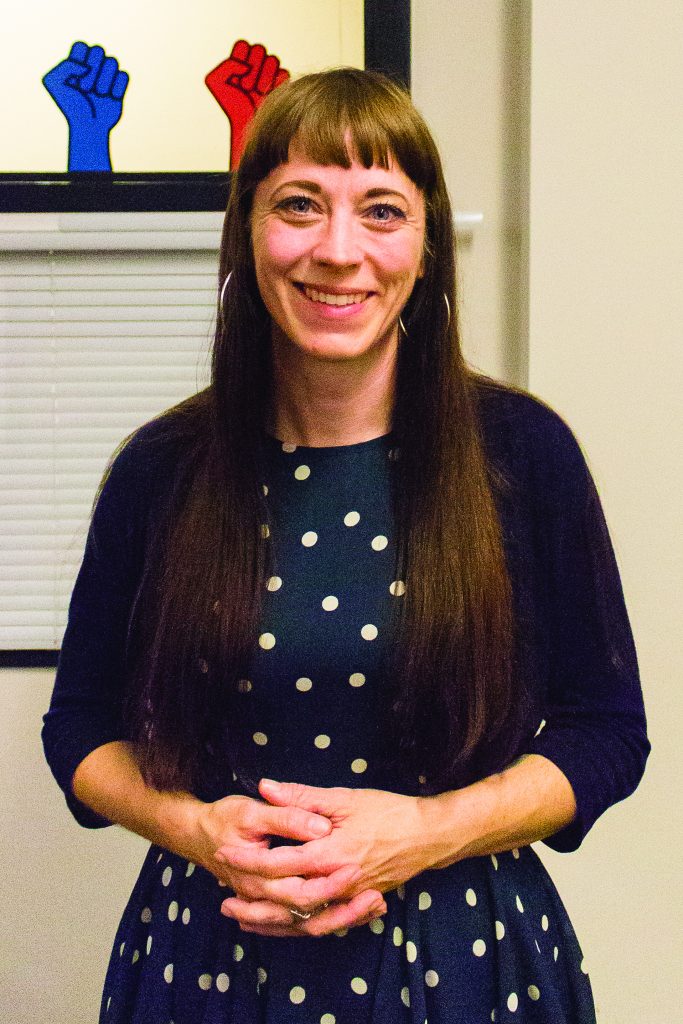
ā€œIf you encounter a person in your professional or personal life that you think has been trafficked, your role isnā€™t to get a disclosure ā€” it is to create a space that is safe and non-judgmental so that the survivor can experience support and access services in the future.ā€ This quote was given by Ashley Anstett, who currently works for Oregon Attorney Generalā€™s Sexual Assault Task Force. On April 18, Anstett came to Western to discuss a topic that is too often ignored: sex trafficking.
Before working as part of the Task Force, Anstett worked at the Sexual Assault Resource Center as a confidential advocate for survivors of domestic sex trafficking. Before that, she worked with domestic violence offenders and juvenile sex offenders ā€” a part of her professional history that she deems very important.
ā€œIt gave me an appreciation for the dynamics that create the complexities around domestic violence, sexual assault and trafficking,ā€ said Anstett, ā€œwhich all have roots in power and control.ā€
When it comes to sex trafficking, which is defined by state.gov as ā€œthe act of recruiting, harboring, transporting, providing, or obtaining a person for compelled labor or commercial sex acts through the use of force, fraud, or coercion,ā€ there are some things that Anstett notes students should do when they come across someone they think has been trafficked.
ā€œHonor survivor experience and support them. It is important to meet them where they are at,ā€ Anstett said. ā€œThere are a lot of misconceptions that these youth and young adults need to be ā€˜rescuedā€™ when many donā€™t identify as victims.ā€
Anstett went on to add that, ā€œevery survivorā€™s story is unique: from how they entered into the life, to what their experiences in the life, and their ability or choice to leave. Every trafficking survivor deserves to have someone in their corner supporting them, supporting whatever their dreams are.ā€
While there are some definite red flags that are associated with sex trafficking, itā€™s important to note that just because they are present, it doesnā€™t mean it is happening. That being said, some of the red flags include, ā€œa lot of unexplained cash and jewelry or shoes and expensive purses, multiple cell phones, and (an unwillingness) to make choices or decisions on their own, or if there is a clear dynamic between partners where one partner is clearly in control of everything,ā€ explained Anstett.
If students think someone they know might be a victim of sex trafficking, there are some things they should do.
ā€œBe a place that someone feels safe coming to where they wonā€™t feel judged or shamed,ā€ said Anstett. ā€œEven if they are in the stages of change where they are just contemplating, but not ready to leave the life, being a non-judgmental presence that supports them in who they are so they know there is someone loving and consistent that will be there no matter what is an incredibly important piece of empowerment.ā€
To close, Anstett wanted to add one last takeaway she hopes students will remember.
ā€œI want people to understand that traffickers are adept at finding someoneā€™s vulnerabilities and exploiting them,ā€ Anstett said. ā€œIt is important to come alongside survivors and support and empower them ā€¦ by giving them choice and agency in their lives.ā€
There are many resources students should know about in regards to sex trafficking. For help and support, Anstett recommends students look at the Polaris Project, which can be reached at 1-888-373-7888. They can also reach out to the Safety Compass, which is confidential advocacy for youth and young adults between ages 12-15 in the Marion, Washington, Clackamas and Multnomah counties, and can be reached at 971-235-0021.
Contact the author at howleditor@wou.edu
Photo by Ashlynn Norton
