ֲƵ

Mount Hood

Welcome to the oil business

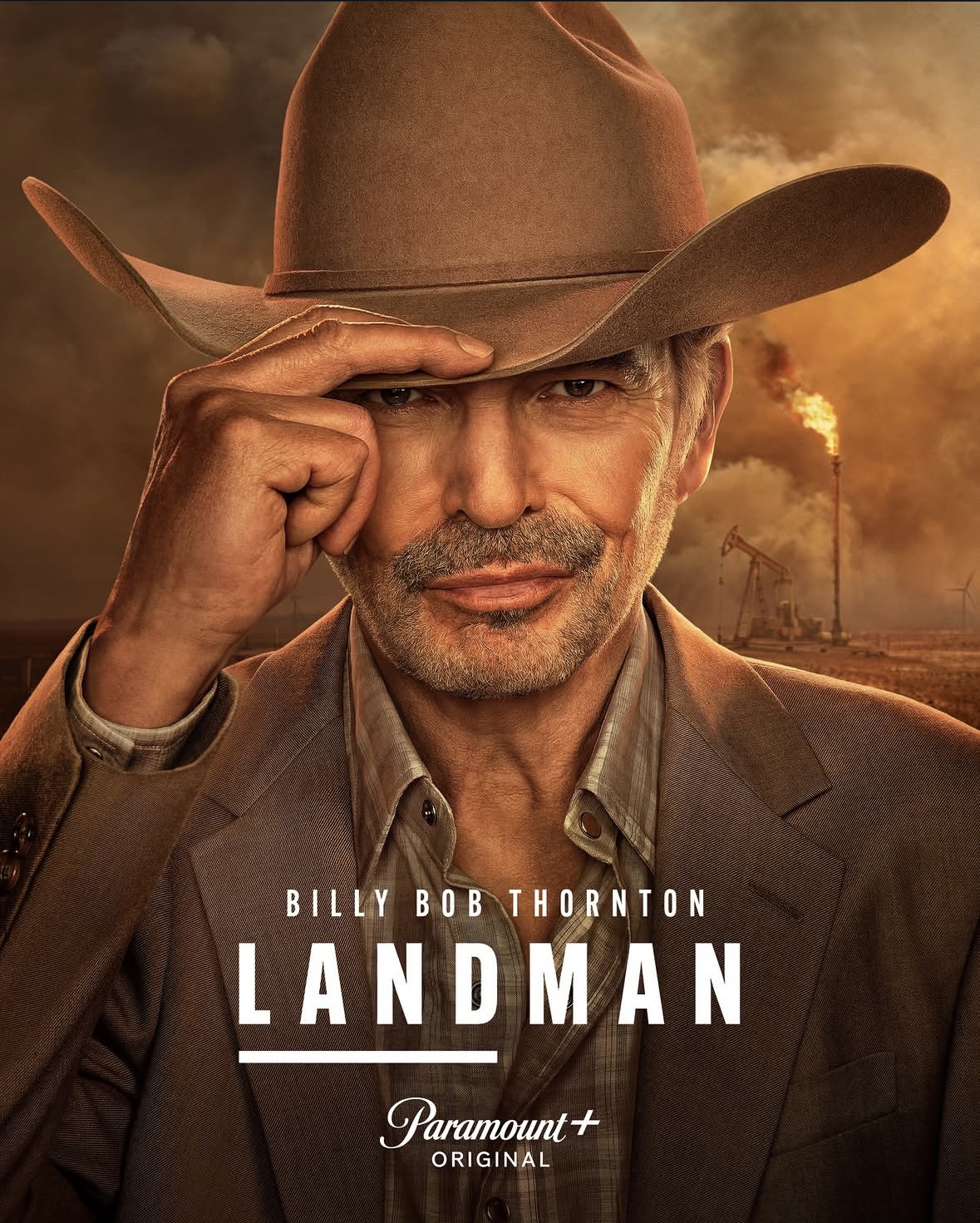
Promotional poster for season two, featuring Billy Bob Thornton as Tommy Norris. | Photo from @landmanpplus on Instagram

March 11, 2025 | Jaylin Emond-Hardin | Entertainment Editor


Content warning: this article contains spoilers for “Landman”


I never thought I’d care about the West Texas oil drills until two weeks ago. Now I know more than the average person should about what it means to run an oil company.

I’d seen a lot of clips for the show “Landman” on Instagram before I even started watching it, but I didn’t anticipate how addictive it would be. I’ll admit, I spent too many nights staying up until 1 a.m. glued to my television.

The first season opens with the main character, Tommy Norris, played by Billy Bob Thornton, tied up by members of the cartel while he tries to secure oil leases on their land for the company MTex Oil. He eventually succeeds in getting the leases signed, though not without injury.

The scene that follows immediately after? More chaos. Six months after Norris secures the oil leases, a stolen MTex plane lands on a company-owned road, where it is struck by a tanker from a rival oil company, triggering a massive explosion. I was immediately hooked.

As the show progresses, we’re introduced to Norris’ son and daughter, Cooper and Ainsley, as well as his ex-wife, Angela. Each member of the Norris clan is unique and has their own equally chaotic storyline. For example, the first crew that Cooper Norris works for is blown up in a gas accident, and he slowly starts spending time and falling in love with Ariana Medina, the widow of one of his crewmates. His plotlines are explosive — both literally and figuratively — and mean to hit home about how dangerous it is being a roughneck on an oil rig. They’re also the most frustrating, because Medina keeps going back and forth between being in love with him and insisting they can’t be together, creating a constant push-and-pull that makes their relationship feel uncertain and emotionally exhausting.

While Cooper Norris fights for life and limb to survive his career choice, Angela and Ainsley Norris’ plot lines tend to explore more of the familial and social sides of Texas. No Norris family dinner ends without Angela Norris absolutely crashing out on Tommy Norris for no apparent reason.

My favorite character, however, is Rebecca Falcone — played by Kayla Wallace, who is best known for the Hallmark series “When Calls the Heart” — the liability attorney for MTex. Initially brought in to help the company handle the situation involving the company plane and the oil tanker, Falcone quickly becomes the go-to for nearly every legal issue — even over Nathan, MTex’s attorney and administrator, played by Colm Feore of “Chicago” and “The Umbrella Academy.”

Falcone is cutthroat in litigation and knows how to stand her ground against other attorneys, as well as the powerful executives and oilmen who try to intimidate or outmaneuver her. Confident and sharp-tongued, she navigates high-stakes legal battles with a mix of strategic thinking and unapologetic toughness, quickly establishing herself as someone the company relies on when situations become complicated or volatile. Honestly, I was excited when she returned for Season 2, especially when the stakes were raised. While I love Angela and Ainsley Norris, they tend to err on the side of insufferable and out of touch, which I know is the point of their characters, but there is only so much I can handle of them.

As I said earlier, Season 2 really ups the show’s stakes. At the end of the first season, MTex’s CEO, Monty Miller, passes after he suffers a heart attack. His wife, Cami Miller, then becomes CEO and appoints Tommy Norris as president. This is when things amp up.

MTex is in a financial crisis. Monty Miller knew how to play longball, but when he passed, it meant that Cami Miller could not access the accounts he had the company’s finances in. So, she started turning to Gallino, a cartel boss who runs drugs on MTex’s roads.

It’s messy, but oh so riveting.

Cooper Norris and Medina’s relationship also steadies out in this season. The pair decides that, yes, they in fact can make this relationship work, though Medina wants Cooper Norris to drive to Corpus Christi to ask her father’s permission before he marries her. When she asked him to do that, I was so ecstatic. They were finally settling into being with each other and not pushing away.

Season 2 didn’t come without controversy, however. It seems that no work by Taylor Sheridan — the show’s creator, who is also known for the “Yellowstone” universe — is without its dispute.

“Landman’s” controversy comes in Episode 9 of Season 2, when Ainsley Cooper goes to TCU for cheer camp. There, she meets Paigyn Meester, her pre-assigned roommate, who will also be her roommate in the fall. It’s clear that the pair doesn’t mesh well from the start. Meester is nonbinary, vegan and has a ferret. Ainsley Cooper, being an upper-middle-class suburban girl, has not interacted with people who do not share her own identity. It’s an interesting commentary on identity, culture clash and the discomfort that can arise when people with vastly different worldviews are suddenly forced to share space. What begins as awkward tension quickly turns into a broader reflection of generational attitudes, privilege and the assumptions people carry with them into unfamiliar environments.

However, this is where the controversy has arisen. Many members of the LGBTQ+ community feel that Meester is a stereotype, an inaccurate representation and mean-spirited.

Bobbi Salvör Menuez, Meester’s actor, admitted they were barely familiar with Sheridan and his works when they signed on for the show.

“I’d seen posters, I’d seen flyers, but I actually hadn’t seen the show before. So, I didn’t even totally comprehend how big of a deal it was until all those CCed agents on the chain that I don’t even usually talk to are suddenly texting me, ‘Congratulations!’” they said in an interview.

But once they realized the scale of the audience and the inevitable reactions to Meester’s identity, they prepared themselves.

“Knowing the impact of this show, I just knew there would be a lot of different responses from all sides of the spectrum,” Menuez said. “If you look at American politics, obviously this is a hot button topic.”

Honestly, I loved the two episodes that Menuez starred in. They explored prejudice and the treatment of others, no matter what someone feels about someone’s identity, beliefs or lifestyle. The storyline forced the characters to confront their own biases and discomfort, showing how quickly people can be to judge what they don’t understand. By putting those tensions front and center, the episodes highlight how empathy and basic respect should exist even when people fundamentally disagree.

“Landman” has been renewed for a third season, which will likely be released in November 2026, following the schedule of the previous two seasons. It is currently streaming on Paramount+, which is where the third season will be released in the fall.

10/10.


Contact the author at howlentertainment@wou.edu
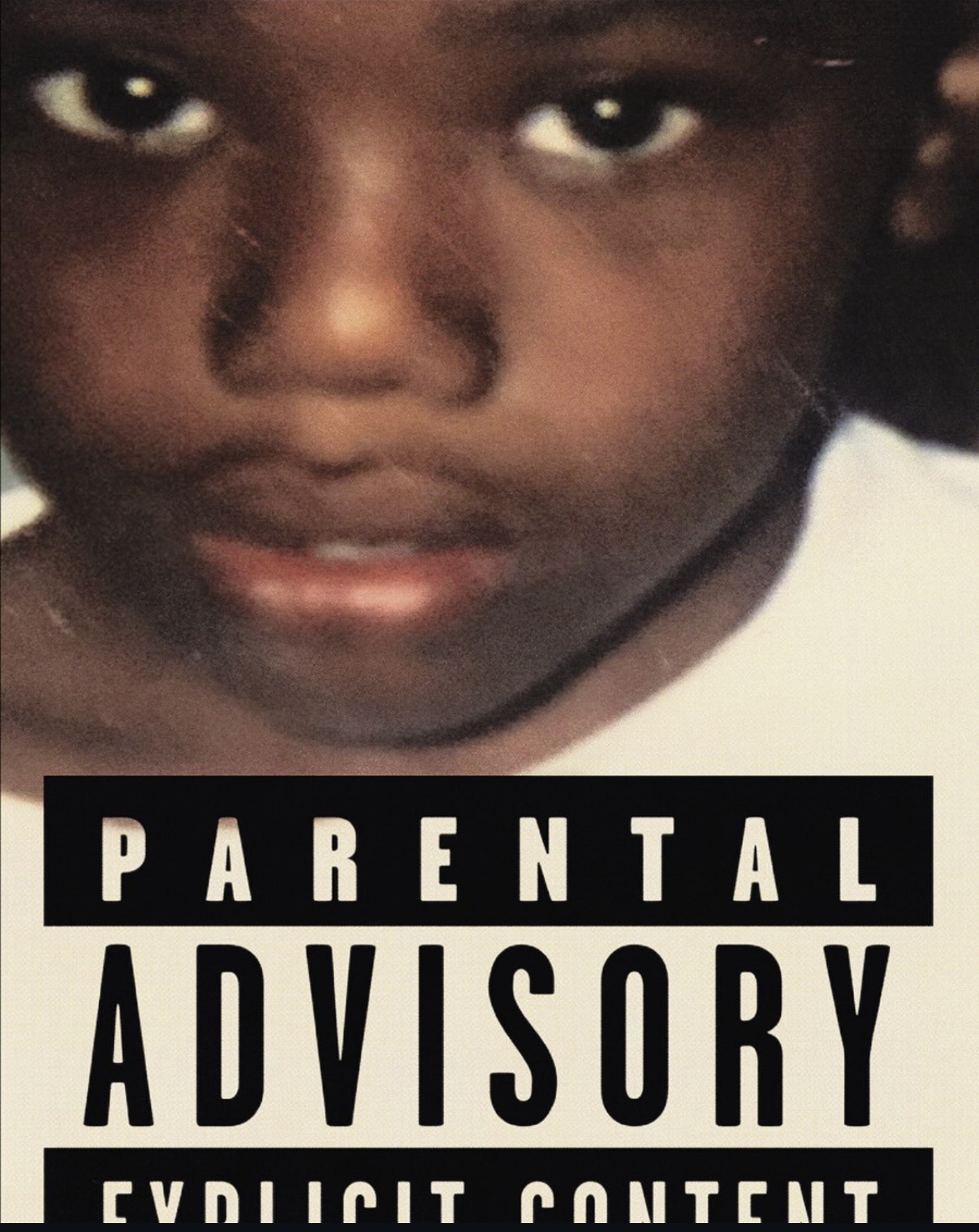
‘C$Դ’

“Ca$ino” album cover. | photo from @babykeem on instagram

March 4, 2026 | Isaac Garcia | Sports Editor

After releasing his sophomore album, “The Melodic Blue,” in 2021 and a subsequent deluxe edition of the album in 2022 following the record-breaking “The Big Steppers Tour,” where he opened for his cousin Kendrick Lamar, Baby Keem essentially disappeared from the public eye. While that long of a break might be a commercial death sentence for artists as early in their career as Baby Keem, his output has already cultivated a strong fan base, and his album “Ca$ino,” released on Feb. 20, consistently delivers from front to back and is the strongest he’s ever been lyrically.

The album opens with “No Security,” where Keem gets personal about family struggles and guilt with lines like, “Uncle Andre just passed, I can’t help but bear blame / Wish I got him help when the resources came.” On the title track, “Ca$ino,” the beat sounds like something from a video game, and Keem slides over it flawlessly with a flow that somehow sounds desperate and effortless at the same time. The beat switches halfway through to a slower, but still hard-hitting beat, where Keem maintains an aggressive energy. “Birds & the Bees” has easily one of the catchiest hooks I’ve heard recently, and I’ve had so much fun listening to it since the album came out. After a run that includes the relaxed “Good Flirts (feat. Kendrick Lamar and Momo Boyd)” and the abrasive “House Money,” Keem comes back down to earth with “I am not a Lyricist,” which ironically is one of the best lyrical performances of his career, diving deeper into some of the personal issues he rapped about on the album’s opener. “Highway 95 pt. 2” is an incredible sequel to one of my favorite Keem songs. On this song, he tells the story of his traumatic childhood, growing up around drug abuse and legal troubles. His performance is both powerful and depressing, and it’s difficult to find a single line that truly encapsulates the emotional nature of the song.

“Dramatic Girl (feat. Che Ecru)” is the most different from the rest of the album and contains a more alternative sound, and is easily my favorite of Keem’s attempts at making music in that kind of genre. Even for people who aren’t typically fans of Keem or of hip hop in general, I highly recommend giving this song a listen.

The album concludes with “No Blame,” a song dedicated to his mother, who he’s mentioned struggling with addiction among other things multiple times in his music. Again, every line is heart-wrenching as Keem talks about the problems they went through as a family. I don’t think any words outside of the song fully encapsulate quite how strong the lyrics are. In one line, he says, “I was seven years old, waiting on you in pajamas / You said you would come home, should’ve never made that promise.” Ultimately, he explains that he understands the trauma his mother was dealing with herself and that he doesn’t blame her, ending the album on an extremely emotional note.

This album is, to me, without a doubt, the best Keem has made so far. It has high-quality production, catchy hooks and sharp verses with a combination of both fun and emotional tracks. There are a couple of moments I could do without, but I’ll still listen to them when I go through the album for the millionth time. It’s been a stacked year for music, and while it’s still early, this is the album of the year for me so far, with Brent Faiyaz’s album “Icon” being a close second.

Rating: 8.5/10


Contact the author at howlsports@mail.wou.edu

Girl gaming

A photo of a woman’s computer setup. | Photo from @cosymolly on Instagram

Feb. 25, 2026 | Hannah Field | Editor-in-Chief

The gaming space online is catered to, and run by, men and boys. They dominate competitive gaming and casual spaces, too. It’s been my experience that these online spaces have grown unwelcome to the presence of women and girls — and I want to understand why.

Like a lot of people, I ran into the internet while still a kid. It captivated me. I made friends, played games and learned new things. It was online that I learned how much I loved to read and write, and that’s where I practiced my creative skills. In middle school, I took a typing class where I faked my speed results because the teacher thought I typed incorrectly, even though I could type faster than her and any boy in the class — a proven fact from dozens of typing competitions I’d join in the library just to prove myself.

The most important thing that I got from my computer, however, was friendship. I met a lot of girls online when I was closer to ten years old who shared my age and interests. We bonded — quickly — and supported each other through the years, sending messages, emails, Skyped until it traded with Discord and so forth.

Over time, however, I watched my friendships … dissipate. Around high school, I had fewer active online friends than I had ever had. We migrated over to social media friends, and that was all I really heard of them, where they were vacationing and hanging out with their real life friends. But then the pandemic happened — all of a sudden, everyone was back and everyone was online.

Games peaked again, but so did the toxicity. I became incredibly aware that I could not turn on my mic when playing an online first-person shooter, and that I should not join online groups in case they were dismissive of me because of my gender. And, once the pandemic dwindled away, which we all were feeling bittersweet about, suddenly, all of the girls I had felt my friendship reignite with were gone again.

A few of them deleted their online accounts because they had no use for them anymore. The rest of the women traded their games for jobs, yet I watched every boy I ever dated boast about his super-computer setup and 2 a.m. daily bedtime. It was, frankly, infuriating; I’d have to sit by myself in the evening and watch as these guys, who were pretty much no different from me, had this virtual meeting every day where they just had fun together. And I couldn’t find the same thing, for no good reason other than that girls don’t play video games.

If I looked online for girl gaming groups, it struck me that maybe I couldn’t trust people online who didn’t seem to have interests other than gaming. None of the women I met in real life were telling me about their last matches or new games, and I couldn’t seem to find a place with guys who liked the same games as me. It’s dramatic, but I felt like my interests made me weird. I like the pace of an online gaming match. I like the quickness, how it feels to win, my hands on the keyboard and I liked being the fastest typist in my class — maybe still the fastest typist I know.

I know there are still women out there who play games. There has to be. According to the Entertainment Software Association, there are — they reported in 2025 that 47% of all American gamers are women. Even though women statistically are half of all players in the space, they are quiet about it, shuffled into only gaming with their partners, playing feminine, less-competitive games or opting for solo-queueing. Or, alternatively, they’re forced into a box that includes kitty ears on their headset and a hot pink computer, labeled as an e-girl or an online pick-me. I wonder if other girls feel the shame that I feel — that one of my favorite hobbies is going home and seeing what I feel like playing.

I was in class last week when a guy asked me if I played Overwatch. Shocked, and immediately flooded with embarrassment, I offered a meek “yes,” and we agreed to play. It hasn’t happened yet, but since then, I’ve been pondering my gut instinct: if I want to play with other people, why do I run from the opportunities and fail to look for women who I know are out there? And, yes, I’m still embarrassed to admit all of this.

There’s also a duality: I love a good competitive match, but I also do it while wearing my own fake nails. I’ve been playing Overwatch since 2017, but I also have 5,000 hours on The Sims 4. I think we spend too much time talking about women and their hobbies, sorting them into archetypes and making assumptions about who they are when they’re alone or happy based on how they appear. Someone would never know the amount of money I’ve invested in games and computer tech, because all they would see is someone who loves to wear dresses and paint pottery. Also, I manage to maintain these interests while managing two jobs. It is possible. Men, you can get a job and still go home and play League.

TLDR: women still like video games, even though they’re quiet about it.


Contact the author at howleditorinchief@wou.edu

Magic, mayhem, Librarians

A still of the main cast of the 2014 show “The Librarians.” | Photo from @librarianstnt on Instagram

Feb. 25, 2026 | Jaylin Emond-Hardin | Entertainment Editor

“The fate of the world is in my hands? That’s so sad.”

Before Noah Wyle stepped into the role of Dr. Michael Robinavitch on the HBO drama “The Pitt,” he was best known to many fans as the adventurous Flynn Carsen in a direct-to-DVD trilogy called “The Librarian”.

One might not expect there to be a magical library existing in its own pocket dimension beneath the New York Metropolitan Public Library, but that’s exactly what the three films — “The Quest for the Spear,” “Return to King Solomon’s Mines” and “The Curse of the Judas Chalice” — explore. Carsen, as the Librarian, travels the globe to find magic artifacts and stop evil organizations from using them to cause chaos.

It’s like if “Indiana Jones” had a baby with “National Treasure” and it’s amazing.

The trilogy eventually spanned into two spin-off series: “The Librarians” and “The Librarians: The Next Chapter.”

“The Librarians” is probably one of my favorite shows ever. It’s corny, and the CGI is bad — I mean, the show debuted on TNT in 2014 — but when I first watched it as a kid who wanted to be an archaeologist, it was everything to me. Magical artifact retrieval? Check. A library that has the sum of human knowledge? Check. Hot coworkers with accents? Check.

But now, as an adult, I can appreciate the show on a deeper level than just magic and adventures. After all, the first two episodes are about Flynn Carsen accepting the help from his recently appointed Guardian, Eve Baird, who is played by Rebecca Romijn. Baird is asked by another character if she would save Carsen if he were drowning, and when she says “yes,” is told that he is drowning and needs her to reach her hand out and save him. It’s a turning point that truly kickstarts the first season.

The show is full of moments like this, and each character is allowed to be a central focus of an episode — sometimes multiple — across the show’s four seasons. The second season is probably the best in terms of character development, especially for characters Jacob Stone and Ezekiel Jones. “And What Lies Beneath the Stones” and “And the Point of Salvation” stand out as two of the season’s highest-rated episodes, peeling back the layers of characters who had long kept audiences at arm’s length. The former reveals why Jacob Stone conceals his extraordinary gift from his father, while the latter shows that Ezekiel Jones is far more than the cold, self-serving thief viewers once took him to be.

Of course, there are humorous moments in the show, too — because it needs that balance between the serious and the comical — and it’s in that contrast where the magic really lives. The jokes never undercut the stakes; instead, they make the danger feel human, and the characters feel real. It’s that careful blend of heart, humor and high-stakes adventure that keeps the story grounded — and keeps audiences coming back for more.

“The Librarian” trilogy is streaming on Peacock, “The Librarians” is streaming on Kanopy and “The Librarians: The Next Chapter” is streaming on Prime Video.


Contact the author at howlentertainment@wou.edu
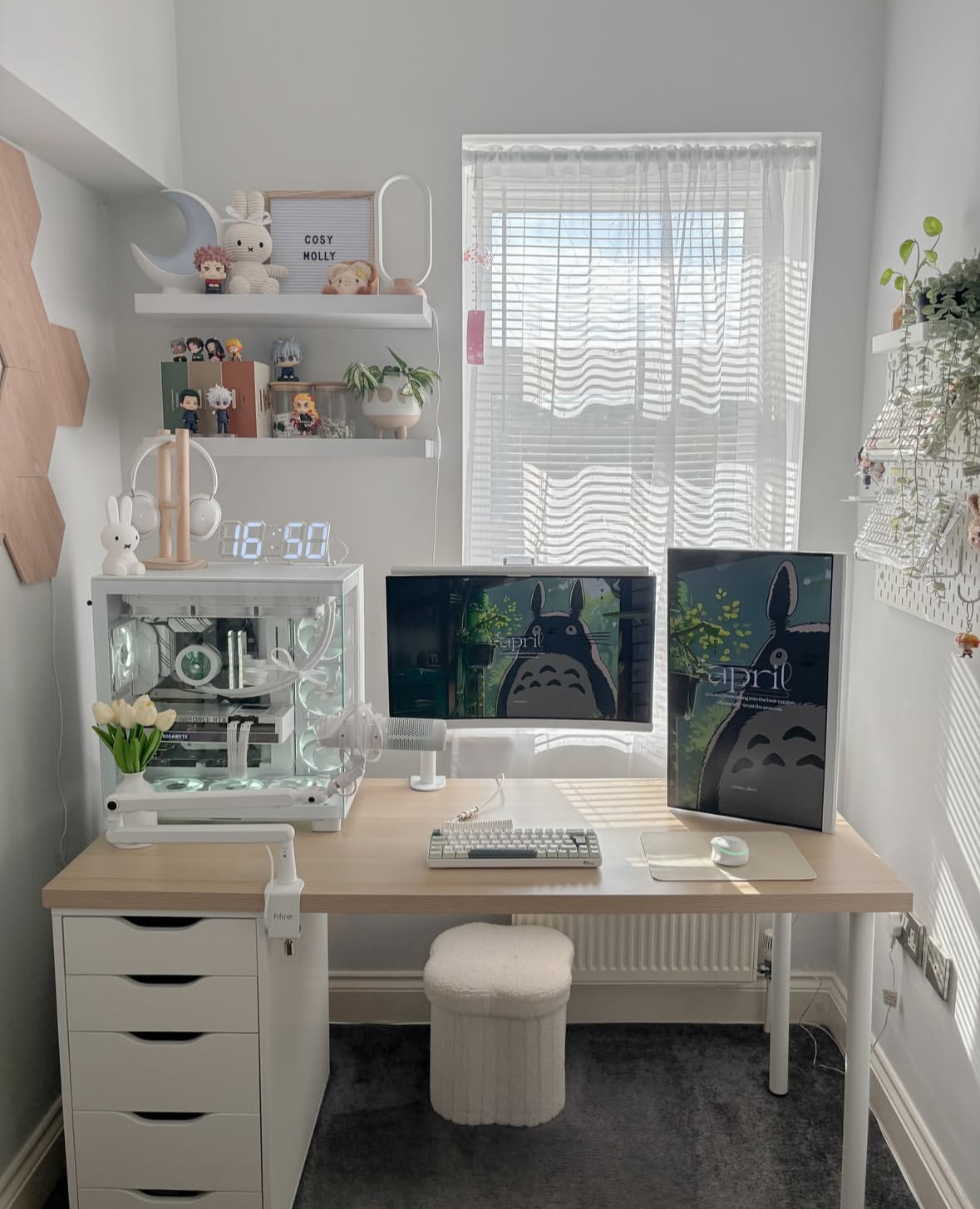
Jetpack Cat era

A meme about Jetpack Cat begging not to be banned. | Photo from @playoverwatch on Instagram

Feb. 18, 2026 | Jaylin Emond-Hardin | Entertainment Editor

My brother and I said back in 2020 that Overwatch needed to add Brigitte’s pet cat, Fika, as a playable character. Six years later, we finally have Jetpack Cat, exactly as we imagined her.

Jetpack Cat was released with the Feb. 10 update that saw Overwatch developers add her alongside four other heroes.

The game initially released with 21 heroes in either a tank, damage or support role, but this has now blossomed into 50 heroes, with the addition of the five newcomers.

I haven’t really clicked with a hero release since Junker Queen and Ramattra came out in 2022. Most of the newer heroes don’t fit my playstyle — I like fast, scrappy fights and heroes who can push tempo and survive in close quarters. Typically, I gravitate toward heroes like Reaper and Soldier: 76 on damage and Brigitte on support — all of whom reward aggressive, forward play. When Junker Queen and Ramattra were added to the tank role, they were the first tanks that truly matched how I like to play. Now that Jetpack Cat is out, I have another support character who I feel is compatible with this.

And, I know, I’m focusing a lot on Jetpack Cat. I’ve said her name five times already, but she has been an idea for six years, forming in my head. I was scared I wouldn’t like her design or loadout, but Overwatch developers proved me wrong for the first time since 2023.

I’m realizing that I’m slowly starting to sound like a stereotypical Overwatch player who lives on Discord and has 2,000-plus hours on the game, but I promise I’m not. I’m a casual player who, unfortunately, was hyperfixated on the game during the coronavirus pandemic and decided to build her own original characters, complete with lore, abilities and loadouts. So, I know ball.

The pandemic era of Overwatch was the absolute trenches. Echo was released as a damage character in 2020, just five months after the announcement of Overwatch 2, which was two years off. With everyone home, the lobbies and servers were filled with casuals and pros. Playing a queued match — where players select which role they want and wait for an available spot in a lobby — was quick, especially if one wanted to play as a support. This was when I got good at Brigitte because no one wanted to play the support role, and if they did, they always chose Mercy.

Now, this batch of character updates is the largest since the game’s initial release in 2016. And I know, five isn’t a lot, but when compared to the continuous rollout of characters and content that Overwatch’s competitor, Marvel Rivals, has been churning out, this is great news.

With the five new characters, one could run a whole team with each role filled — one tank, two damage and two support. I can still remember when it was two of each role, but we’re not going to talk about how hard I grieved losing the second tank slot. It’s something I still haven’t gotten over.

Each of the five new characters is unique in their abilities and loadouts, but I figured out each of their playstyles by comparing them to what I already knew about other characters in similar roles or similar abilities and loadouts.

Domina is the only tank released in this update. Domina feels closest to Symmetra in the way her value comes from preparation and space manipulation rather than raw mechanical duels. She’s strongest when she’s dictating the terms of engagement — setting up pressure points and forcing enemies to move where she wants them. Like Sym, she rewards players who think two steps ahead instead of just reacting in the moment.

Anran, the first damage character, plays like a classic dive opportunist. I would say she is closest to Genji in how players should approach her. This comparison isn’t just about mobility — it’s about timing windows. Both heroes are ineffective if they go in first and devastating if they go in at the right second. Their value hinges on reading the fight, identifying vulnerability and committing with precision.

Emre, the other damage character released, feels like a midpoint between Cassidy’s grounded dueling presence and Widowmaker’s lethal pick potential. He has the ability to hold space and threaten angles without fully committing to long-range isolation. That hybrid identity makes him dangerous — he can stabilize a frontline fight but also swing momentum instantly with a single well-placed shot.

Jetpack Cat, our first support, whom I am utterly obsessed with, operates in the same vertical, tempo-controlling lane as Wrecking Ball, but with Mercy’s ally-centric utility and a hint of Brigitte’s close-range presence layered in. The strength isn’t raw damage output — it’s mobility, fight shaping and protective pressure. She influences engagements through repositioning, disruption and selective peel, forcing the enemy to constantly adjust rather than anchoring in one predictable space, while subtly reinforcing her team’s ability to hold ground when it matters. Ironically, my comparison of Jetpack Cat to Wrecking Ball is also similar in their design aspects: both are animals that end up with some sort of mecha that helps them engage in battles.

Mizuki, the last hero and second support, feels like dive aggression tempered with brawl survivability. I would honestly compare his playstyle best to a combination of Genji and Brigitte. The Genji comparison shows up in mobility and burst windows, but the Brigitte parallel comes from his ability to stay in the fight longer than most dive heroes. He isn’t a glass cannon — he’s built to commit, trade and remain present in the chaos rather than disengaging immediately.

The introduction of these characters also brought in sub-roles, expanding on the three main roles that all characters already fit into. Tanks and supports each have three sub-roles: tank characters fall into bruiser, initiator or stalwart, while support characters fall into medic, survivor or tactician.

Damage has four sub-roles, which makes sense given it has 22 characters, while tank and support each have 14. These damage sub-roles are flanker, recon, sharpshooter and specialist. I still haven’t 100% figured out the costs versus benefits of each sub-role, but they’re only a few days old as of the time I’ve written this article.

Overwatch is free to play on Steam, Battle.net, Microsoft Store and PlayStation Store.


Contact the author at howlentertainment@wou.edu
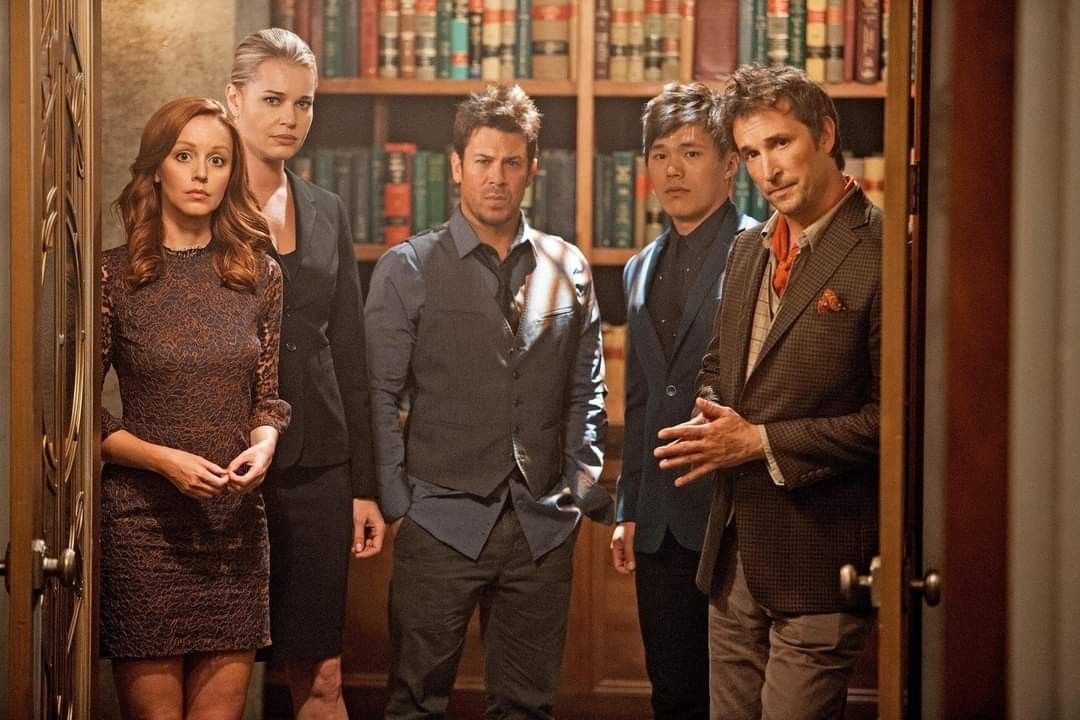
Great Divide ticket war

The cover for Noah Kahan’s 2026 album “The Great Divide.” | Photo from @noahkahanmusic on Instagram

Feb. 18, 2026 | Jaylin Emond-Hardin | Entertainment Editor

Move over, Eras Tour — there’s a new competitor for the hardest artist to get tickets to: Noah Kahan’s The Great Divide Tour.

In a post to his Instagram Feb. 2, Kahan announced that he would be embarking on a stadium tour following the announcement of his fourth studio album, “The Great Divide.” The tour will feature 22 stops across the country, with the final night at Seattle’s T-Mobile Park.

Alongside the announcement of his tour, Kahan also announced that tickets would be available for presale, allowing fans to sign up through his website.

This is where it became a war for tickets. Thousands of fans signed up for the presale and received their links when the sale date arrived. I was one of nearly 11,000 fans waiting in the Ticketmaster queue to be able to purchase tickets for the Aug. 30 night at T-Mobile Park. I got lucky and got tickets. Other fans, however, weren’t as lucky.

TikTok user @theyankeeyearner shared a screenshot of their Ticketmaster queue with the caption “So who’s lending their ticket to me?” They were in the presale line for the Jul. 18 and 19 shows at Citi Field in Queens, New York — a line that had 186,775 buyers ahead of them. Other shows, including the two nights at Fenway Park in Boston, Massachusetts, and the Aug. 21 show at Oracle Park in San Francisco, California, faced similar line numbers.

Kahan’s team worked to add more shows as fast as they could to help fans get the seats they wanted. The day of the presale, a second show was added at Coors Field in Denver, Colorado, and two Fenway and one T-Mobile Park shows were added on Feb. 12.

Fans, however, were less than pleased with the competitiveness of the ticket sales. On Instagram, under the post announcing additional tour dates, user @madyaalexander commented, “I’m super disappointed with this round of ticket prices and lack of ability to get tickets, @noahkahanmusic. I’ve been a fan since Busyhead and waited for hours on the MLB site just to find out they were sold out. Love your music, but please, for your fans, we’re getting bought out.”

Kahan’s team worked to avoid ticket resellers raising prices, so fans could experience his show at an affordable price.

“To make sure fans have the best opportunity at original ticket prices, the tour will be using Ticketmaster’s Face Value Exchange. Tickets will be non-transferable and can only be resold at face value on Ticketmaster,” @kahanhq captioned on Instagram. “Nothing is perfect, but we’re doing what we can to help protect against scalpers and keep tickets in fans’ hands.”

Currently, all shows on the Great Divide Tour are sold out, with Kahan being the first artist to ever sell out four consecutive nights at Fenway Park.


Contact the author at howlentertainment@wou.edu
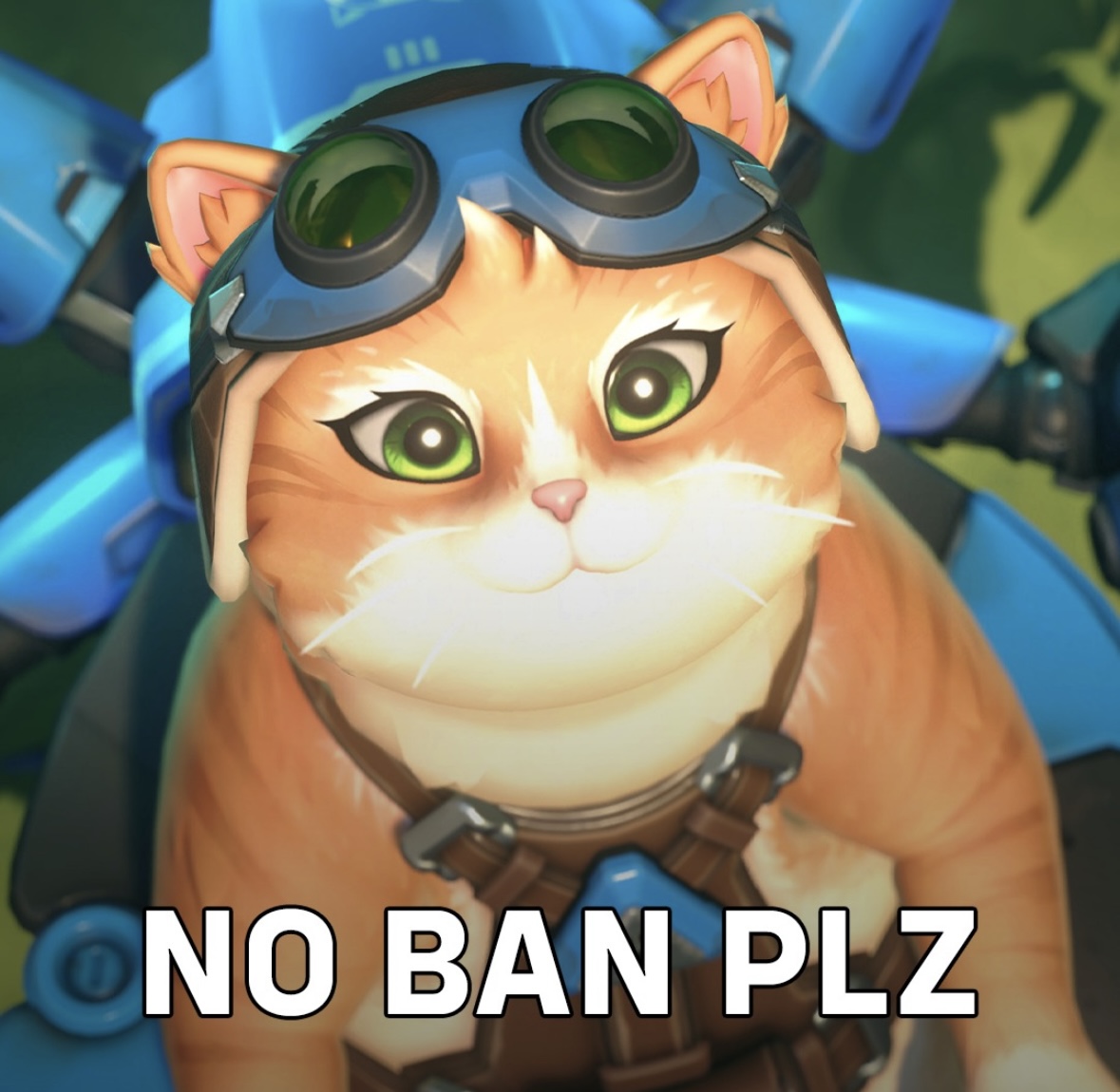
A rocking good game

Graphic by Addison Watts

Feb. 18, 2026 | Belen Ponce Leal | Lifestyle Editor


I dedicate this article to my cousins Oscar, Armando and Cristian.


When I was younger, I spent a lot of time sitting on the floor of my older cousins’ room while they played Guitar Hero III: Legends of Rock. Music has always been an important part of my family’s background and they all ended up learning how to play the guitar. So, it was no surprise that my uncle bought this game for them. My favorite song from the game was “Barracuda” by Heart. It ended up being the song that they played the most because of their younger cousin constantly asking for it.

The Guitar Hero game franchise is a series of games that revolve around using a guitar-shaped controller to replicate playing guitar to various rock songs. The controllers would have colored buttons in place of frets on the neck of the guitar to simulate the player strumming the notes. The games mimic things that real guitars have, such as a whammy bar that is meant to be able to alter the pitch of notes. Similar to real life bands, the player can decide whether they want to play the lead guitar or the bass, with both having separate rhythms and parts. The game was extremely popular in the mid to late 2000s, with over 25 million copies being sold and an astounding $2 billion in sales.

The gameplay is simple, but extremely fun. When going into the game, a set list appears which is where the player can see what songs are unlocked and pick which one they want to play. When a song is selected, a scrolling fret board appears with various colored notes appearing on the screen. The color of each note matches the ones on the guitar controller. As the song plays, notes appear and the player needs to hit them in time with the song. The higher the difficulty is set, the more notes appear and the faster the player needs to hit them. On the side of the screen is a meter known as the “star meter.” The player can make the bar fill up whenever they hit all the star-shaped notes that will occasionally appear throughout the song. When it’s full enough, lifting the guitar controller will make star power activate, which doubles the game’s scoring multiplier. If the player misses notes, it makes the guitar create a screeching sound. Missing too many will make the meter drain, with flashing red coming from it meaning the game is about to end.

There are two different modes that the game offers: career mode and free-play. Career mode follows the player’s journey to becoming a rock star.Free-play mode is simply what the title says: the player is able to play any of the songs they have unlocked at any time. Depending on the game, the story of the game can change. However, the gist is the same. The player joins a band and every gig that the band books is on a different level. In each level, the band plays popular rock songs with at least three needed to be completed before unlocking the next one. After completing the last song, there will be an encore performance with a new song that wasn’t shown in the main set list. Performing the encore unlocks another song with the cool detail of the stage being influenced in a unique way. For example, in one of the stages in Guitar Hero III: Legends of Rock, playing the encore in the first stage will summon the cops, who instead of arresting people, will jam out to the song played and helicopters fly around to give some cool lighting for the band.

There are several playable rock stars that the player can choose from. Each has their own personality and a brief description of their backstory. They all have different outfits that can be bought at the store from the money the player makes from getting through songs successfully. Some characters can also be unlocked from doing a guitar battle with them and winning, though at least in the games that I’ve played, I still had to buy them at the store.

My personal favorite is a playable character in the first six main games known as “Judy Nails.” Her backstory is as follows: Born Judith Ann Taylor, she started going by Judy Nails after a nail gun incident when she was 7. Despite her parents trying to get her to do anything else, it was clear that she only had one love and that was rock n’ roll. She has a particular love of alternative rock and formed a band called the “Nail Gunners” after taking cash from her mother’s purse. Fun fact about her: she went to court due to some charges against a reporter who claimed she struck him. Her only comment was, “He had asked about my hair and clothes, and not once about my music.” The charges were thankfully dropped. Honestly, good for her.

Each of the playable characters have detailed backgrounds like this, making them feel like the stereotypical rock stars many think of.

The history of how the game came to be is quite fascinating. It begins with the company called RedOctane. They noticed that there was a very popular game in Japan called “Guitar Freaks,” which when looking at the gameplay of it, looks quite similar to what “Guitar Hero” is known for. The players would use guitar shaped controllers to simulate playing the instrument to popular songs. RedOctane then noticed that while the game was popular over there, there wasn’t any game in the Western market at the time that offered that gaming experience with a guitar-shaped controller. RedOctane already owned a company known as Harmonix, which had made music centered games before, like Karaoke Revolution. So, they had them create a game with similar gameplay and a controller that would simulate the player actually playing the instrument. The first Guitar Hero came out in 2005, becoming an immediate success.

A few months ago, I began reminiscing about that game and how I never had the opportunity to play it. My husband and I then began a manhunt to try to find not only a copy of the game, but also game guitars that were compatible with it. Through determination and sheer luck, we managed to find two working guitars at Goodwill and two of the Guitar Hero games at a thrift shop. We found Guitar Hero World and thankfully, Guitar Hero III: Legends of Rock. I’ve been playing the game a lot more than I probably should and if anyone can, I strongly recommend playing it. Not only is it any game collector’s dream to own the game and a guitar, it’s also such a fun game to play with amazing songs.


Contact the author at howllifestyle@wou.edu

GTA but with horses

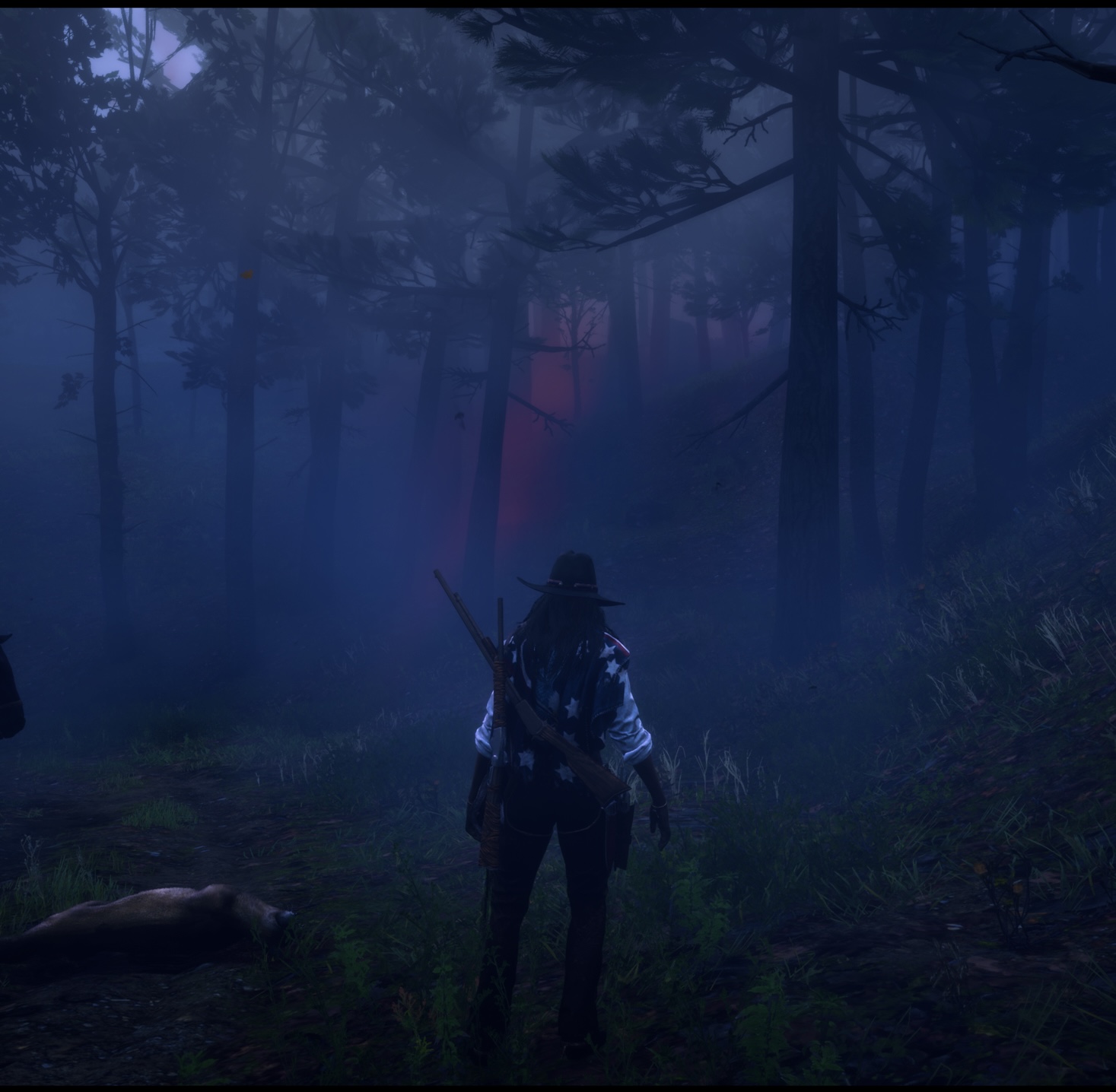
The author’s Red Dead Online character explores Rockstar’s take on the American frontier. | Photo by Jaylin Emond-Hardin

Feb. 11, 2026 | Jaylin Emond-Hardin | Entertainment Editor


Content warning: This game contains minor spoilers for the Red Dead Redemption franchise


Everyone knows Rockstar Games’ most popular franchise, Grand Theft Auto. With five games in the main series and a sixth coming out in November, the game series has cemented its place in popular culture — after all, who could forget the “we got … before GTA 6” meme?

While the Grand Theft Auto franchise is widely recognized, Rockstar’s other major series — the Red Dead Redemption games — is far less known by comparison.

Consisting of three games — Red Dead Redemption, Red Dead Redemption II and Red Dead Redemption: Online — the franchise is set in the late 1800s and early 1910s, focusing on themes of violence, loss and, of course, redemption. For context, I will refer to each game as Red Dead, Red Dead II and Red Dead Online, as these are the names typically used in fan communities.

Red Dead follows protagonist John Marston as he navigates the last days of the American West in 1911. The game follows Marston as he attempts to free his family from Dutch Van der Linde, the notorious leader of the Van der Linde gang, and has near-exactly identical game mechanics to the Grand Theft Auto franchise.

Red Dead II is a prequel to Red Dead and follows Arthur Morgan, a member of the Van der Linde gang in 1899. It follows the gang’s descent into notoriety and ends with Morgan’s death, either due to tuberculosis or at the hands of fellow gang member Micah Bell.

Red Dead Online is a prequel to both games and follows a player-customized character, and players have the option to follow the accompanying storyline or to do whatever they wish within the free roam map.

While I haven’t played Red Dead, I have played Red Dead II and Red Dead Online, and I can honestly say I prefer the online game mode. I enjoy being a character I created myself — I have been playing the same character for almost six years now — and the stranger missions are unlimited, even after the main storyline has been completed. I also really love Arthur Morgan as a character, and because Red Dead Online is set before the events of Red Dead II, he never dies.

Red Dead Online is low stakes when compared to its main story counterparts. While players accumulate low or high honor — the system of how decisions are made which may affect dialogue and certain missions — these choices carry far fewer lasting consequences, allowing players to experiment freely without significantly altering the game world or narrative.

Like the Grand Theft Auto franchise, Red Dead Redemption allows players to free roam, and there are no consequences for not completing story missions, which allows players to make the game as low-stakes as they wish.

All three Red Dead Redemption games are available on Steam, the Microsoft Store and the PlayStation Store, though the first installment is not compatible with Xbox Series S. Red Dead II and Red Dead Online can be bought as a bundle or individually, though I recommend the bundle so a one-time purchase can be made.


Contact the author at howlentertainment@wou.edu

Underrated books

Photos of V.E. Schwab’s “Shades of
Magic” trilogy. | Photos courtesy of Hannah Field

Feb. 11, 2026 | Hannah Field | Editor-in-Chief

Social media does a lot of bad things, and a lot of good things — but has done both to the rise of reading again. Suddenly, books I finished and despised are top-sellers, everyone’s reading the same thing and I can’t stop getting recommended books I’m not interested in by people I don’t know on TikTok.

The other day, I was just thinking to myself: I wish someone with a little bit more proximity to me, a knack for writing and reading and who shares some similarities with me would just give me a list of books I could check out. Now, I can’t do that for myself — but I can do it for the next person to read this article. Below are a variety of books that I’ve read that I enjoyed that I think are worth picking up if not yet already finished — all without spoilers.

“Before I Fall” by Lauren Oliver — This book was one that I read early on in my young adult book escapades that I haven’t forgotten about. It was catty, hard-hitting and turbulent. Having a 3.88/5 on Goodreads, and being Lauren Oliver’s debut novel in 2010, I consider it still rather impressive. “Before I Fall” follows a mean girl in high school, Sam, who goes through a kind of “Groundhog Day” effect and is forced to relive the day she dies over and over again. It’s not a spoiler if it’s the premise of the book, right?

Anyway, “Before I Fall” has all the criteria for an emotional ride, capitalizing on the importance of kindness and how short life can be. There’s love, there’s drama and, most fun, a selfish, kind-of-evil protagonist, a slight risk for author Lauren Oliver, considering this was in the age of “Twilight” — Mary Sues were everywhere. The book also has a movie adaptation, which I remember liking, except it only got a 64% on Rotten Tomatoes. I’ve been waiting to pick this one back up and give it a reread.

“Shades of Magic” trilogy by V.E. Schwab — Most know V.E. Schwab for her novels “The Invisible Life of Addie LaRue” and “Bury Our Bones in the Midnight Soil,” the former of which is my favorite book, but the three books in her “Shades of Magic” series are perfect for romantasy lovers. In this series, Kell is a magician who can travel between worlds, one of only a handful of people who can. After meeting a runaway sailor, Lila, the two must band together to save all of the Londons — Red, White, Gray and Black, as a dark magic takes hold in the rifts between worlds. The series explores queer romance, magical warfare, usurping expectations and stereotypes and complex family dynamics, and was one of the most interesting concepts I’ve read about in a long time.

“The Women” by Kristin Hannah — So, no, Kristin Hannah isn’t underrated right now at all, but all I can find online is recommendations for “The Nightingale,” which I, actually, did not want to die for, unlike “The Women.” This book captivated me. It had a slow start, with a bit of simplistic writing, but I was simply taken on this ride with the main character, Frankie, once it picked up.

In “The Women,” which is historical fiction about women’s roles in the Vietnam War, Frankie signs up to become an army nurse. She’s taken out of her cushioned, well-fed life and taken to Vietnam, where she learns the truth of what the war looked like and how women were being treated, despite being incredibly pivotal and crucial to the war efforts.

I breezed through this book in two days, and I’ve been thinking about it since. I don’t want to give too much away, although I have much to say. If this book is on any reading list out there — this is a sign. Get through the first couple of chapters and report back.

Fair warning: this book does get a little graphic, considering the Vietnam War army nurse thing.

“To Sleep in a Sea of Stars” by Christopher Paolini — Christopher Paolini released “To Sleep in a Sea of Stars” in 2020, a standalone story told in Paolini’s new universe: “The Fractalverse.” The novel takes place in the future when humans have accomplished interstellar travel, met aliens and can modify their bodies. Xenobiologist Kira Navárez is our speaker, and we follow her as she encounters an unidentifiable alien lifeform that she accidentally — well, absorbs is the best word for it. From there, Kira finds out that if humanity is going to be saved, she has to be the one to do it.

Tied in with a love story, lovable and flawed characters and some really complex scientific writing that I’m unqualified to decode, “To Sleep in a Sea of Stars” is thrilling, intoxicating and long.

Paolini is most known for the series “The Inheritance Cycle,” a quadrilogy starting with “Eragon” and focusing on a farm boy who discovers a dragon egg in a fantasy realm that is ruled over by a tyrant. Paolini worked throughout his teens and early twenties on “The Inheritance Cycle,” boasting complex storylines, intense worldbuilding and great ratings online — a commendable consideration for a reader’s book list.

“The Fractalverse” also includes “Fractal Noise,” a 2023 prequel centered on a different protagonist, featuring no familiar faces from the sequel. While I liked the concept of “Fractal Noise,” it intrigued me much less, kept me less captivated and was slower than “To Sleep in a Sea of Stars.” It was an easier read and a smaller novel, and shouldn’t be discounted, as Paolini is still an accomplished author with a powerful, intelligent voice.

“The Wrong Side of Goodbye” by Michael Connelly — To be honest, my dad, who I very rarely take seriously, handed me this book, and it sat on my shelf for more than six months before I finally picked it up and found myself amazed. “The Wrong Side of Goodbye” is a crime-mystery thriller following recluse detective Harry Bosch. A billionaire enlists Bosch’s help to find his heir, which proves to be quite difficult, all while Bosch is trying to find a serial rapist who terrorizes Los Angeles.

I am not usually one to fall for an older white man’s recommended reads. However, I am very glad that I did. I could not stop turning the pages of “The Wrong Side of Goodbye,” and sequentially went to my local secondhand bookstore to buy as many Harry Bosch books as I could find. I read the first in the Harry Bosch series, “The Black Echo,” and read about his comeback from the Vietnam War (there it is again), another good Connelly novel. I’m taking a break from the murder — it was a lot — but hope to return soon, as Connelly has gained an unexpected fan for life.


Contact the author at howleditorinchief@wou.edu


‘Warrior Cats’

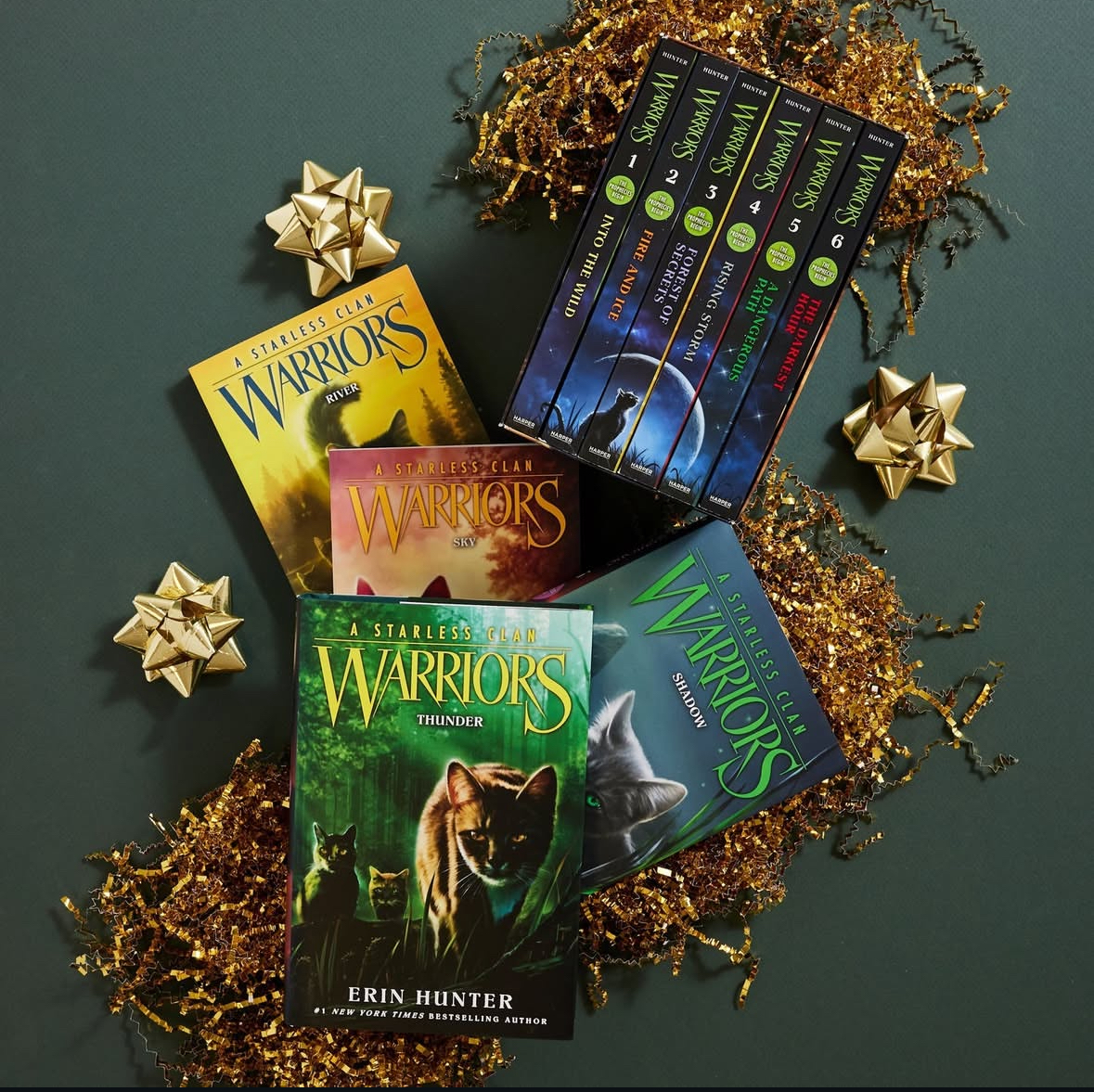
A photo of a stack of Erin Hunter “Warrior Cats” books. | Photo from @erinhunterbooks on Instagram

Feb. 4, 2026 | Hannah Field | Editor-in-Chief


Content warning: this article discusses spoilers for the “Warrior Cats” franchise and fictional violence


“Warrior Cats” is a massively popular children’s book series of more than 50 books discussing cat clans in the wild. That’s the simplest way to put it. If I were to be asked further, I’d have to answer with caution as to not give away too much information about myself.

Just kidding. I’m going to say a lot of things about “Warrior Cats,” and way too much about my childhood.

The series is like any other (just trust me here). Imagine a young male protagonist — handsome, adventurous, but lonely. He longs for connection, for others, and, one day, he finds them: the community he’s been waiting for. But there’s something brewing underneath it all — a child sees a member of the community kill an ally in cold blood, and tells only the main character. The protagonist must not only defeat him and reveal his charismatic ruse, but also protect the lives of his friends when in danger, all while falling in love and engaging in epic combat scenes.

And then … that villain gets nine lives, has his organs ripped out in one go by a strange weakling that shows up with dog teeth around its neck, and then the protagonist kills that person and becomes the king? Yeah, okay, not really that normal of a story.

I’ll name some other plotlines: forbidden romance, secret kids, twisted villains and cat murderers. Leaders who go crazy. Atheist cats that don’t believe in cat heaven. Prophecies that bless cats and tell the future. Prophecies that give cats powers. All the cats from cat hell and cat heaven go to war. All legit “Warrior Cats” plots.

“Warrior Cats” mastered the writing triangle: to have an ongoing series, it needs characters that are different, characters that share proximity and outside forces. Unfortunately, when writing creatively, I often think about “Warrior Cats” and how well it pulled together groups and kept a plot moving.

Uniquely, it gave its leaders nine lives, switched protagonists and always sought to add, never to take away. The series never got smaller. In fact, the clans only got bigger, and the plots only got more ambitious. Erin Hunter wove innate flaws into the clans — like supreme leadership and cat religion, of course — added some weird cat culture that can’t be questioned and made a ton of money off of the series.

There was something so intoxicating about two individuals divided by clan, separated by the gods, falling in love in secret while knowing either of their lives could be cut short at any moment by the wild dangers of the woods. Hearts are broken, cats are betrayed, cats die senselessly and without justice.

It’s unbelievable what a collection of middle-aged women can make someone feel. I still feel that way, picking up new Sarah J. Maas and Donna Tartt.

“Warrior Cats” took normal tropes and turned them on their heads. It took gruesome deaths — which we love in media, like, hello, “The Walking Dead” and “Grey’s Anatomy” — and somehow marketed them for children? Love affairs, cat birth scenes, kitten death? I’m not sure how the Erin Hunter clan (the multiple authors under one pseudonym) did it. But children love animals, and animals love murder, I guess.

My point is that “Warrior Cats” somehow, in some way, took adult topics and fed them to a young audience, which pretty pointedly wound me up the way that I am: obsessing over character development and demise, constantly writing and staying chronically online. I encountered “Warrior Cats” when I was around 10 years old on the internet, and, wow, did it really take a toll.

I will say: “Warrior Cats” is marketed to, and read by, young children, when I believe it should be for an older range, purely because the content and scenes can be very graphic. While I was never running around the playground on my hands and knees, I was thinking about mature topics through the lens of fictional cats, and that did make for an interesting experience overall.

Some important context that I’m extremely reluctant to share and have now printed forever and published online: I was obsessed — I mean, really obsessed — with “Warrior Cats.” For far too long. The exact age I really won’t disclose — that would just be self-sabotage — but I was in high school when I stopped indulging in the franchise.

To be more honest, I met the owner of a popular Roblox “Warrior Cats” roleplay game and we became fast friends at a young age. I spent every day, for multiple years, on this game. I made friends — some of whom I still talk to now — from that game. I’m flying to officiate a wedding this summer for two people who met on that game — yes, really. The game got so popular online that we had to hop on a Zoom call with the Erin Hunter brand team to become an official “Warrior Cats” game, or else we’d be copyrighted.

It spurred me to write fanfiction after fanfiction (no, they’ll never see the light of day, and no, I don’t want to talk about it) to build my skills. Now, look at me: writing for money. I think I owe it to Erin Hunter.

Honestly, I’d still read the books now, but I would never have the courage to walk around with them. They were enjoyable, easy reads and only a little bit infuriating, like any decent story. Objectively, “Warrior Cats” was so unlike any other books I read as a kid that it stands out like a sore thumb, unforgettable and a little painful at times to recall.

It’s also important to add that nobody I know from that game is a furry. Not that I’d care. But, still.


Contact the author at howleditorinchief@wou.edu

A legend passes

A graphic posted by Film Zone following the announcement of O’Hara’s death. | Photo from @thefilmzone on Instagram

Feb. 4, 2026 |Jaylin Emond-Hardin | Entertainment Editor

It was announced Friday, Jan. 30, that actor Catherine O’Hara passed away at age 71, “following a brief illness.” Currently, there is no other information surrounding the actor’s death.

Best known for her roles as Kevin McCallister’s mother in two “Home Alone” films and as Moira Rose in “Schitt’s Creek” — a role for which she won an Emmy, a Golden Globe and two SAG Awards — O’Hara was known as one of the greats of comedy.

O’Hara’s first appearance was in the 1970s on “SCTV” — short for “Second City Television” — and saw her working with the likes of Martin Short, Joe Flaherty and Eugene Levy. Levy and O’Hara would later collaborate on multiple projects, including “Schitt’s Creek.”

In her early days in Hollywood, casting directors didn’t always know what to do with O’Hara’s “scattershot style,” with the actor often playing eccentric side-characters. In 1984, she played Gail in Martin Scorsese’s “After Hours” and in 1988 played Delia Deetz in Tim Burton’s “Beetlejuice,” which she reprised in the 2024 sequel “Beetlejuice Beetlejuice.”

Roles were rare following the success of the “Home Alone” films, though O’Hara collaborated with Levy on a series of mockumentaries directed by Christopher Guest — best known for “The Princess Bride” and “Night at the Museum.”

“I am devastated,” Guest said in a statement to the AP. “We have lost one of the comic giants of our age.”

Macaulay Culkin also paid tribute to O’Hara’s passing in an Instagram post shared Friday morning.

“Mama, I thought we had time,” he said, sharing a still from “Home Alone,” alongside a recent recreation of the still. “I wanted more. I wanted to sit in a chair next to you. I heard you. But I had so much more to say. I love you.”

O’Hara is survived by her husband, Bo Welch, sons Matthew and Luke, and siblings Michael O’Hara, Mary Margaret O’Hara, Maureen Jolley, Marcus O‘Hara, Tom O’Hara and Patricia Wallice.


Contact the author at howlentertainment@wou.edu

A YouTube legend’s magnum opus

Photo of the official poster for Iron Lung. | photo from @markiplier on instagram

Feb. 4, 2026 |Belen Ponce-Leal | Lifestyle Editor

On Jan. 30, a movie called “Iron Lung” was released in theaters. “Iron Lung” is based on a video game released by David Szymanski of the same name. It was written, directed, edited and exclusively produced by Mark Fischbach, known more commonly online as Markiplier. Fischbach is well known for being a very popular gaming YouTuber, with some of his most popular videos being him playing horror games such as “Five Nights at Freddy’s,” “Until Dawn” and “Amnesia: The Dark Descent.”

The synopsis of the movie is that it is set in a post-apocalyptic future where a cosmic event called “the quiet rapture” caused all known stars and habitable planets in the universe to vanish. Humankind is going extinct, but the few who are still around are searching the universe for any signs of life. A convict is sent to search an ocean of blood that was discovered on a desolate moon, using a small submarine nicknamed the “Iron Lung.” Along with producing the movie, Fischbach stars in it and is the main protagonist. The movie is very much a science fiction, eldritch horror type of film.

The video game by Szymanski is similar in story to where the player is a convict who was sent down in a submarine to explore a blood ocean. They are drilled into the submarine, unable to see what’s in front of them. The player has to use coordinates and a map given to them in order to know where they are. The camera on the submarine is the only thing that allows the player to see what is in the ocean with them, both dead and alive. “Iron Lung” is available on Steam, gog.com, Google Play, Playstation and the Nintendo Switch. The usual price for the game is $7.99.

“Iron Lung” is not the only creative work that Fischbach has made. He has also created something that he has titled “Adventures with Markiplier,” which involves going on a date, a heist and in space. These series are multiple choice, linking to other videos in order to lead to various endings. He has also created a thriller series called “The Edge of Sleep.” It was released on Amazon Prime with the premise being that after a night watchman, played by Fischbach, finishes his shift at work, he discovers that everyone who went to sleep the previous night has passed away.

The movie “Iron Lung” has a blood drive associated with it. To celebrate the release of this movie, they have partnered with blood centers to allow donation trucks to be available for participating theaters across the country. Donors must be 16 or older, with participants who are 16 needing a signed parental consent form. It’s free for everyone with no fees for those who want to give blood. Those who donate must be feeling healthy, be hydrated and provide an ID that has their first and last name, date of birth and a photo. The goal is to break the world record of people who donated blood in one day. The current record is 37,018 donations.

I am a huge Markiplier fan and someone who grew up watching his YouTube videos. So when I heard he was going to make this film, it was a must-watch. I was fortunate enough to be able to view it Jan. 29 and am glad to report that I enjoyed it. Definitely a 10/10. I strongly recommend this film to anyone who is a fan of the game, Markiplier or sci-fi.

For more information on the movie, buying tickets at a nearby theater, the blood drive or simply wanting to see more from the source, I recommend checking out the official “Iron Lung” website, which is .


Contact the author at howllifestyle@wou.edu


Middle-earth’s 25th anniversary

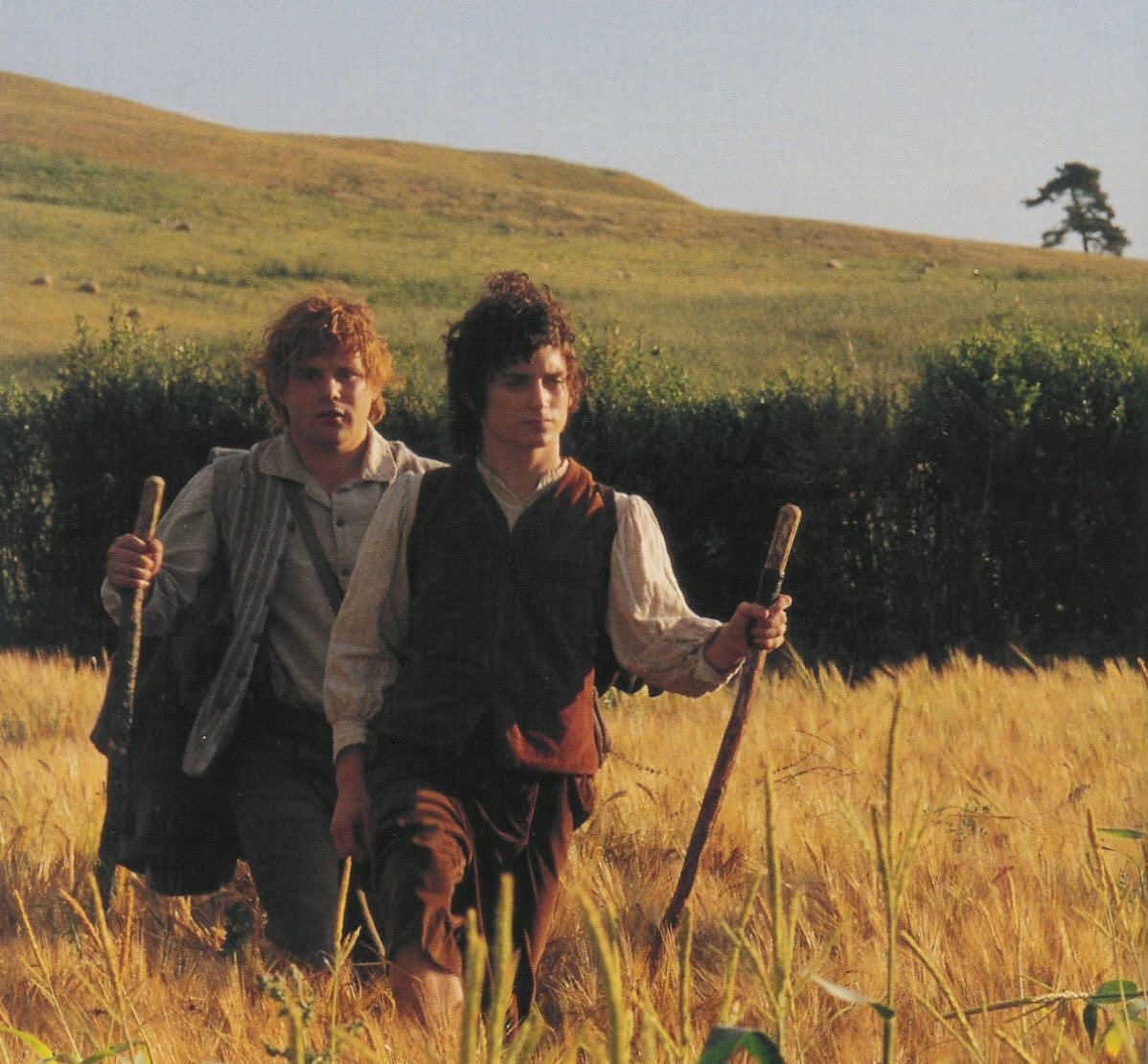
A still of Frodo Baggins and Samwise Gamgee as they set out
on their journey in “The Fellowship of the Ring.” | Photo from @lordoftherings on Instagram

Feb, 4, 2026 | Jaylin Emond-Hardin | Entertainment Editor

Two weekends in January saw the legendary “The Lord of the Rings” trilogy return to theaters across the country. This year marks the 25th anniversary of “The Fellowship of the Ring,” the first film in the trilogy, and New Line Cinema partnered with Fathom Events — which are typically shown at Regal Cinemas and AMC Theatres — for exclusive showings.

The last time the trilogy was in theaters was September of 2019, showing the extended editions in Flashback Cinema partnered theaters. With the films’ popularity, they typically return to theaters in five-year cycles for the anniversary of “The Fellowship of the Ring.”

Seeing these films in theaters is an experience that is indescribable. While I was unable to attend the showings this year, I did attend the 2019 showings when I was a sophomore in high school. “The Lord of the Rings” is perhaps my all-time favorite trilogy, with “The Two Towers” — the series’ second film — being my preferred of the three.

One major change, however, for this exclusive event from previous showings, came with the availability of D-Box motion seats and 4DX screening options, as well as all films being shown in Dolby Vision — an advanced HDR color option meant to enhance the theater experience.

With the two weekend showings, “The Lord of the Rings” also hit another major milestone: “The Return of the King” has now officially surpassed a rival blockbuster franchise-ender at the box office. With the $1.6 million of revenue generated, “Return of the King” has now beaten “Harry Potter and the Deathly Hallows — Part 2.” That’s right. “The Lord of the Rings” has finally dethroned “Harry Potter.” While it is a small win for Peter Jackson’s trilogy, it is still a win. It is important to note, however, that neither movie is close to earning half the total of the highest-grossing domestic box office movie. That belongs to “Star Wars: Episode VII — The Force Awakens.”

Another interesting note is that “The Hobbit” trilogy, the prequel to “The Lord of the Rings,” will not be returning to theaters for its 15th anniversary next year. It is highly unlikely that it will return to cinemas due to its lack of popularity among fans. I, however, would like to see them in theaters at least once, as I was nine when the first one released, and — hot take — they’re actually good.

The next movie set in Middle-earth to hit theaters will be “The Hunt for Gollum,” which is slated for a December 2027 release. The film will follow Aragorn as he hunts for the titular character, and Andy Serkis, Ian McKellen and Elijah Wood are supposed to reprise their roles as Gollum, Gandalf and Frodo Baggins, respectively.

For now, fans can stream all movies set in Middle-earth — “The Lord of the Rings” trilogy, “The Hobbit” trilogy and “The Lord of the Rings: The War of the Rohirrim,” as well as a slew of throwback animated movies — on HBO Max.


Contact the author at howlentertainment@wou.edu
‘Don’t Be Dumb’

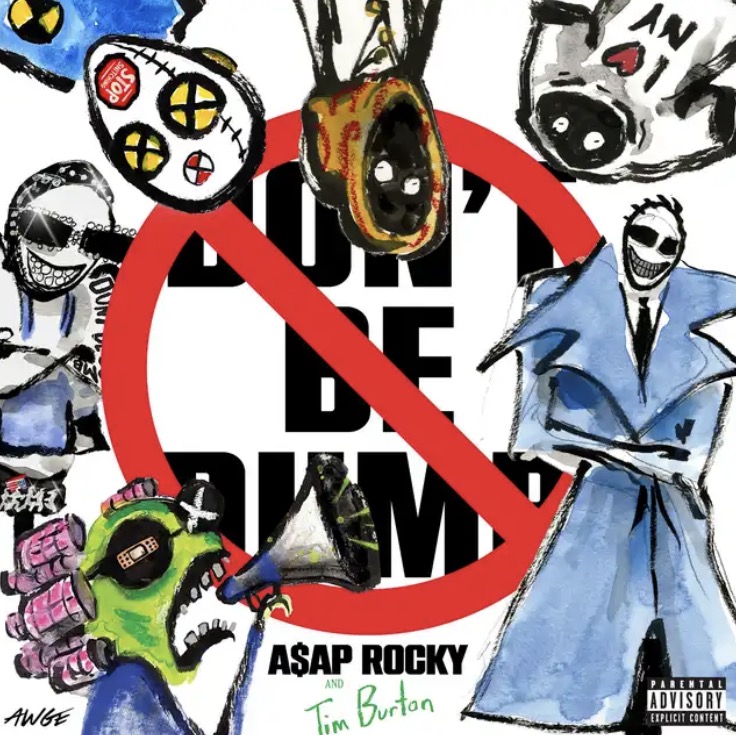
The album cover for “Don’t Be Dumb.” | Photo from Spotify

Jan. 28, 2026 | Isaac Garcia | Sports Editor

After a nearly eight-year wait, which saw him go through highs and lows, including a dramatic arrest in Sweden, starting a family with Rihanna and being found not guilty on felony assault charges that accused him of assaulting his childhood friend and business partner A$AP Relli with a firearm, A$AP Rocky has finally released his new album, “Don’t Be Dumb.” 

The lead singles for the project, “PUNK ROCKY” and “HELICOPTER,” couldn’t sound more different from each other. “PUNK ROCKY” is a more laid-back and smooth song which, as the title suggests, has heavy punk rock influences. Meanwhile, “HELICOPTER” has an aggressive, almost industrial type of sound. 

The feature list is stacked with big names, including Tyler, The Creator, Brent Faiyaz and Gorillaz. However, in my opinion, it’s the slightly lesser-known Sauce Walka who has the most interesting feature on the album on the song “STOP SNITCHING,” where he floats over an ominous instrumental. I was also pleasantly surprised by will.i.am’s contributions on the song “THE END,” where he does an incredible job of capturing the dark, apocalyptic vibe of the production, giving a verse that sets Rocky up perfectly for the remainder of the track. Doechii trades verses with Rocky on what was probably the most out-of-left-field sounding song on the entire album, titled “ROBBERY”. While the beat is slightly off-putting for me, I think it works relatively well, and Doechii and Rocky match each other’s energy. Doechii really feels like the perfect fit for the strange beat thanks to her ability to pull off unique flows. 

My personal favorite performances from Rocky himself come on the songs “PLAYA”, “NO TRESSPASSING” and the title track, “DON’T BE DUMB/TRIP BABY.” The Thundercat and Cardo Got Wings production on “PLAYA” reminds me of some of the beats that the hip-hop and rock group N.E.R.D. made popular in the 2000s. It has such a smooth bounce to it, and Rocky approaches it with a catchy melody, while rapping about the fulfillment of settling down and building a life with one person. “NO TRESSPASSING” has an intro that sounds like a smoke-filled room with Rocky looking back on his early career. The song then shifts into an energetic West Coast beat with an attention-grabbing synth. Once again, Rocky showcases his ability to attack a beat at an elite level, which makes the song hard not to love. “DON’T BE DUMB/TRIP BABY” samples Clairo’s song “Sinking” and probably has the best lyrical performance on the entire album, with Rocky focusing on themes of love and personal growth. The first half of the production is spacey before switching to a more uptempo beat, sticking to similar themes.

Overall, it’s a really enjoyable project with a few minor flaws. There are a few things I’d have liked to see explored a bit more, such as the intro on “NO TRESSPASSING,” and I wish we’d seen the kind of lyrical performance Rocky had on “DON’T BE DUMB/TRIP BABY” more prominently throughout the album. As mentioned, Rocky had a lot to discuss, and it feels like he didn’t dive as deep as he could have. The production, as amazing as it is, still doesn’t hit the highs that it did on his past projects, although that may just be a testament to how great that production was more than anything else. 

With that being said, I’m just glad it finally came out. 

RATING: 7.5/10.

Contact the author at howlsports@wou.edu

Cozy for the winter

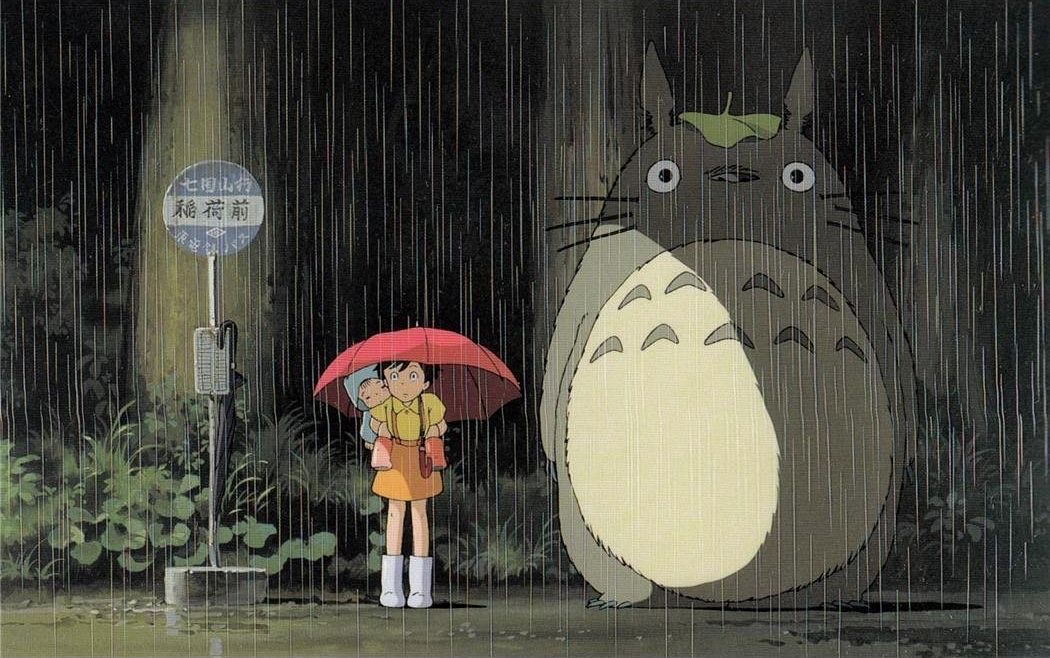
A still from Studio Ghibli’s film “My Neighbor Totoro.” | Photo from @ghibliusa on Instagram

Jan. 28, 2026 | Jaylin Emond-Hardin | Entertainment Editor

It’s late winter. The excitement for the holidays has come and gone, and there’s limited sunshine to keep the doom and gloom away. My favorite thing to do to shake the frost? Watch some of the coziest movies out there with a blanket and a mug of tea.

“Pride and Prejudice” — Based on the Jane Austen novel of the same name, “Pride and Prejudice” follows Lizzie Bennet and her sister Jane in the English countryside during the Regency era. With a piano-led score and warm ambience, “Pride and Prejudice” perfectly encapsulates longing, restraint and a slow-burning romance, while also bringing to mind a warm summer or spring day. “Pride and Prejudice” is streaming on Apple TV and Prime Video for $3.99.

“My Neighbor Totoro” One of Hayao Miyazaki’s most popular films, “My Neighbor Totoro” follows Satsuki and Mei when they move to the countryside while their mother is in the hospital. As they explore their new home, they discover forest spirits, including the fluffy, cat-like Totoro. This movie is cozy because there’s no big villain; it’s just two sisters exploring their home and enjoying the small moments. The film is slow-paced, and nothing is rushed, with sunlit fields and dust floating in the air. Nature becomes a soft place to rest, and the magical creatures are gentle forest spirits — especially Totoro, who is more like a giant stuffed animal. “My Neighbor Totoro” is streaming on HBO Max, along with other Studio Ghibli movies.

“The Lord of the Rings” Adapted from J.R.R. Tolkien’s trilogy, “The Lord of the Rings” follows Frodo Baggins as he sets off to destroy the One Ring. The films are drenched in a palette of antique light — soft golds, mossy greens and pale silvery-blues — with a sweeping soundtrack by Howard Shore, filled with string instruments and haunting vocals. The films themselves are about how even the smallest person can change the world and focus on the small in the wake of the huge. After all, Samwise Gamgee says it best in “The Return of the King”: “Do you remember the Shire, Mr. Frodo? It’ll be spring soon, and the orchards will be in blossom. And the birds will be nesting in the hazel thicket. And they’ll be sowing the summer barley in the lower fields. And they’ll be eating the first of the strawberries with cream. Do you remember the taste of strawberries?” All three movies in “The Lord of the Rings” trilogy — both theatrical and extended editions — are streaming on HBO Max and Prime Video.

“HǴǰ” A modern retelling of “Peter Pan,” this film answers the question “What if Peter Pan grew up?” The whole movie feels like a fairytale, wrapped in pure ‘90s and childhood nostalgia. With Robin Williams as Peter Pan, Dustin Hoffman as Captain Hook and Julia Roberts as Tinkerbell, “HǴǰ” is full of familiar faces. The design is storybook-soft with glowing pixie dust, flying pirate ships and colorful sets, creating the feeling of stepping into a stage play. Besides, at its core, “HǴǰ” isn’t just about fighting pirates and magic. It’s about believing in oneself, rediscovering the sense of childhood wonder and reconnecting with those closest. “HǴǰ” is streaming on Apple TV and Prime Video for $3.99.

Contact the author at howlentertainment@wou.edu
‘Fire is catching’

Graphic by Addison Watts

Jan. 28 2026 | Abbi Duhart | News Editor

Content warning: this article contains spoilers for “Sunrise on the Reaping” and descriptions of gore

Reading “Sunrise on the Reaping” was definitely a rollercoaster. Suzanne Collins’ new novel, which released last March, is a prequel to the original trilogy, taking place during the 50th Hunger Games and telling the story of a young Haymitch Abernathy — a character many fans, including myself, love.

The novel opens with descriptions of Haymitch and his family living in District 12. We learn that his family is not well off — something that is pretty typical for those who live in District 12 — and that he often sneaks off with his girlfriend, Lenore Dove, to escape the realities of his life. On reaping day, it is announced that twice as many tributes will be reaped to celebrate the 50th Hunger Games, or Second Quarter Quell. Surprisingly, Haymitch isn’t originally reaped, but when chaos ensues, he steps between Peacekeepers to protect Lenore Dove, causing him to be chosen as the replacement for the dead tribute.

Because District 12 had no previously known Victors, random mentors were assigned to Haymitch and the other tributes from his district. Through this, we’re introduced to a younger Wiress and Mags, characters from “Catching Fire,” the second book in the original trilogy. During training, we also learn about Beetee — another character in “Catching Fire,” and his young son Ampert, who was reaped.

Because of his acts of rebellion against the Capitol, Haymitch is given a score of one — the worst possible score — by the Gamemakers. This doesn’t go the way they intended, though, because Haymitch is soon labeled and marketed as a “rascal” and gains popularity for his personality in the Capitol.

Beetee eventually enlists Haymitch in a plan to rebel against the Capitol and the Games. While in the arena, Haymitch is meant to light explosives planted in the underground water system to prevent the Gamemakers from controlling the arena. While this plan ultimately fails, Haymitch still angers President Snow and is marked for punishment due to his contributions to the rebellion.

Haymitch eventually wins the Games by leading the last tribute to the edge of the arena, which he learns is protected by a force field. The final tribute throws her axe at Haymitch, who then ducks, causing the axe to rebound off the force field and kill the tribute.

While Haymitch does survive the Games, did he actually win? Like he says in “Catching Fire,” “Nobody ever wins the Games. Period. There are survivors…there’s no winners.” He eventually returns home, where he finds his house burnt down and his family dead; he then finds Lenore Dove, who found gumdrops she thought were from him, but were actually poisoned, which leads to her death. While it isn’t proven, Haymitch, along with many readers, is convinced that President Snow is responsible for these tragedies.

In the end, Haymitch slowly becomes the Haymitch we know in the original series, as he develops an alcohol addiction and isolates himself to cope with all of his losses and memories of the Games.

I feel like many “Hunger Games” fans can agree that “Sunrise on the Reaping” was both the most chilling and most devastating book so far in the series. I know one scene that really hit me hard was when Ampert died in the arena. Ampert was not only 12 years old when he was sent into the Games, but was reaped on purpose as a punishment for his father Beetee plotting rebellion acts against the Capitol. In the arena, Ampert helped Haymitch sabotage the water tanks below and was punished by the Gamemakers for doing so. Mutated squirrels — which felt very similar to the mutts in the first “Hunger Games” — were programmed to only attack Ampert and were sent into the arena. Haymitch tried to save him, but the squirrels attacked Ampert to his death, and the book even goes on to say that only his pearly white skeleton remained. This was arguably the most gruesome scene in the entire series, and I’m curious to see how it will play out in the upcoming movie adaptation.

I also really loved how “Sunrise on the Reaping” brought so many callbacks from the other books in the series. As mentioned, many characters from “Catching Fire” returned, but we also got more information about the Coveys. In “The Ballad of Songbirds and Snakes,” we met Lucy Gray, the first-ever victor from District 12. She won the 10th Hunger Games and was a part of the first-ever tribute group to get mentors. The mentor assigned to her was Coriolanus Snow, who later becomes the President Snow everyone knows in the main trilogy. Lucy Gray and Snow were very close at first, and even had a romantic connection, but Snow’s narcissistic and tyrannical tendencies won out. After Lucy Gray wins the Games, Snow is sent to District 12 as a Peacekeeper as punishment for helping her win. He eventually finds her again, and they plan to run off together. Upon leaving for the woods, Lucy Gray realizes she can’t trust Snow after learning he’s killed multiple people, and runs off. Snow, seemingly going mad, grabs a gun and shoots wildly into the forest at the mockingjays and everything else. The book ends, leaving readers in the dark on whether Lucy Gray survived or not, with many believing that Snow killed her.

In “Sunrise on the Reaping,” we find out that Lenore Dove is related to Lucy Gray and that she is part of the Covey tradition, a traveling band, which was carried on. While Lenore Dove never talks about Lucy Gray, Haymitch knows there was one other District 12 victor, but, like everyone else, knows nothing about them. He watches the past tapes of the Games in hopes of discovering more, but finds that there is nothing about the 10th Hunger Games, when Lucy Gray won. Later on, he finds a tape that President Snow gave him showing Lucy Gray singing, and he realizes that this is Lucy Gray, the 10th victor, and that Snow intentionally erased her history.

Many fans of “The Hunger Games” know that Collins only writes a new book when she has something to say about the world we’re living in. I believe that “Sunrise on the Reaping” is meant to mirror the current state of our world, and she uses the novel to take a rebellious stand like many of the characters. Many aspects that contribute to this include Ampert being reaped to punish Beetee for rebelling, Haymitch being reaped because he interfered with Peacekeepers, Haymitch carrying Louella’s dead body to Snow and laying it before him, the Games being heavily edited to erase any signs of rebellion and seeing the videos of Lucy Gray knowing that all of her history was erased. Not to mention the reaping every year takes place on July 4. As Katniss says, though, “Fire is catching! And if we burn, you burn with us.”

Contact the author at howlnews@wou.edu


Auto Draft

Photo from @italian.brainrot.oficial on Instagram | The AI-generated image of Lirila Larila.

Jan. 21 2026 | Jaylin Emond-Hardin | Entertainment Editor

Brain rot has changed a whole dang lot since Generation Z was in elementary and middle school. Once, we had CGI-animated videos of frogs riding invisible motorcycles and dancing gummy bears. We had unicorns talking about magical Liopleurodons who wanted their friend Charlie to go to the candy mountain. Hell, we even had a song about liking trains and a talking muffin.

Generation Alpha’s brain rot? Well, it almost, quite literally, rots their brain.

Between AI-generated creatures with Italian names and Skibidi Toilet, I fear for Gen Alpha’s future. In the education clinical program, I see this literal brain rotting firsthand with my fourth and fifth-graders.

When comparing the brain rot trends of the two different generations, there’s a distinct difference. Gen Z typically has longer videos with more simplistic design elements — Charlie the Unicorn and asdfmovies fit within this — that keep the attention for longer. They have quick punchlines that are utterly ridiculous, which they use to keep viewers engaged with the content.

Meanwhile, Gen Alpha’s brain rot is, well, concerning is a gentle word I’d use for it. A smiling head coming out of a toilet singing “skibidi-bop-bop.” An AI-generated image of a ballerina with a cappuccino for a head, named “Ballerina Capuchina.” They’re attention-grabbing and short, meant to keep viewers scrolling through the videos for hours.

This difference — longer videos versus shorter videos — affects the midbrain, which is the center that creates dopamine, and deals with gratification and rewards. When someone watches a short video, their dopamine levels spike with instant gratification. The center lights up again when they scroll to the next video. It’s the same science with Instagram Reels, TikToks and YouTube Shorts.

This instant gratification affects a developing brain much differently than an already-developed brain. Many adults can easily make a change to fix their attention span and how quickly their brain receives this dopamine.

In children? This can be catastrophic. They crave the instant reward that their brain gives them when they scroll to another video, which affects their attention span. An affected attention span means they are less likely to focus on activities that do not provide an immediate reward — for example, when their teacher is trying to teach them a lesson — and they tend to seek similar stimuli. Eventually, this continuous exposure will lead to hindered cognitive development and limited critical thinking and problem-solving abilities. Children will be conditioned to absorb information quickly but superficially.

There is hope for Gen Alpha’s future however. Teachers are actively trying to limit daily exposure to technology. Parents are seeing the consequences of technology on developing brains. It’s not much, but it’s a start. One that will continue to change the course of these children’s lives.

Contact the author at howlentertainment@wou.edu
Eating like the movies

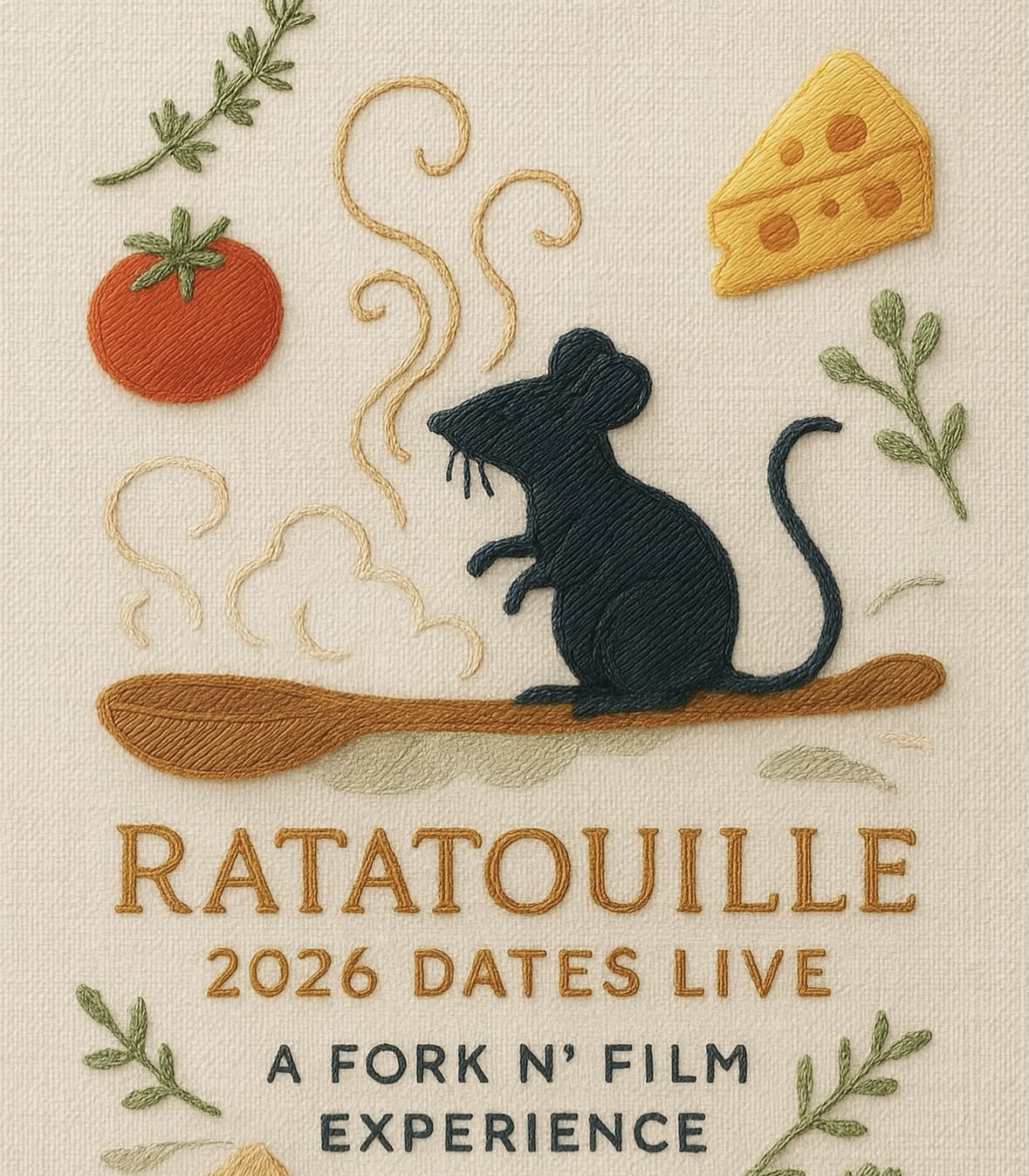
The promotional poster for Fork ‘n Film’s
2026 “Ratatouille” dates. | Photo from @forknfilm on Instagram

Jan. 21 2026 | Jaylin Emond-Hardin | Entertainment Editor

I keep seeing Reels about influencers going to restaurants that serve them meals themed to a specific movie they’re watching and all I can say is: I want to go.

The first one I saw was themed to “Ratatouille.” A seven-course meal, all with dishes that are either in the movie or inspired by it. Which, genuinely, sounds divine. I mean, come on, ratatouille? The dish itself is delicious, but eating it while watching “Ratatouille”? That is a dream come true for me. I fear it’s my favorite Pixar movie.

Fork ‘n Film, an interactive dining experience that focuses specifically on Disney-owned films, was founded in 2023 by Francesca Duncan and Nick Houston in Los Angeles, California. After watching “Matilda,” the pair were inspired by the scene where Bruce Bogtrotter eats an entire chocolate cake in front of the school.

“I thought, ‘I’m really hungry. I wish I could try that,’” Duncan recalled in an interview. “How cool would it be to put on an event where people are able to eat what they see on screen?”

In 2023, the Los Angeles social scene was still recovering from the coronavirus quarantine, and came up with the idea as something for people their age to do. After running a trial event on the roof of their apartment building, themed to “Harry Potter and the Sorcerer’s Stone,” Duncan and Houston realized they had an idea that people wanted to attend and ran with it.

In less than two years, the pair was hosting 180 events monthly across their eight US locations and generated over $11 million in revenue. What started as a pop-up event quickly became a million-dollar idea.

In December 2024, Portland’s Fork ‘n Film location hosted its first event at the Kimpton Hotel Vintage. Since then, the events have been almost sold out every single weekend.

While tickets can be pricey — ranging from $99.99 for general admission to $199.99 for premium seats — the event offers a full immersion experience. As event-goers watch the movie, servers will bring various meals either explicitly from the movie or inspired by it.

In February, Portland’s Fork ‘n Film will be hosting a “Lady and the Tramp” weekend Feb. 13-15 and a “Princess and the Frog” weekend Feb. 20 and 21.

And the “Ratatouille” themed dinner? Well, it is always their event with the most tickets sold — once completely sold out in 0.8 seconds — and will be coming to Portland for two nights only: March 27 and 28. Better get those tickets fast.

Bon appetit.

Contact the author at howlentertainment@wou.edu
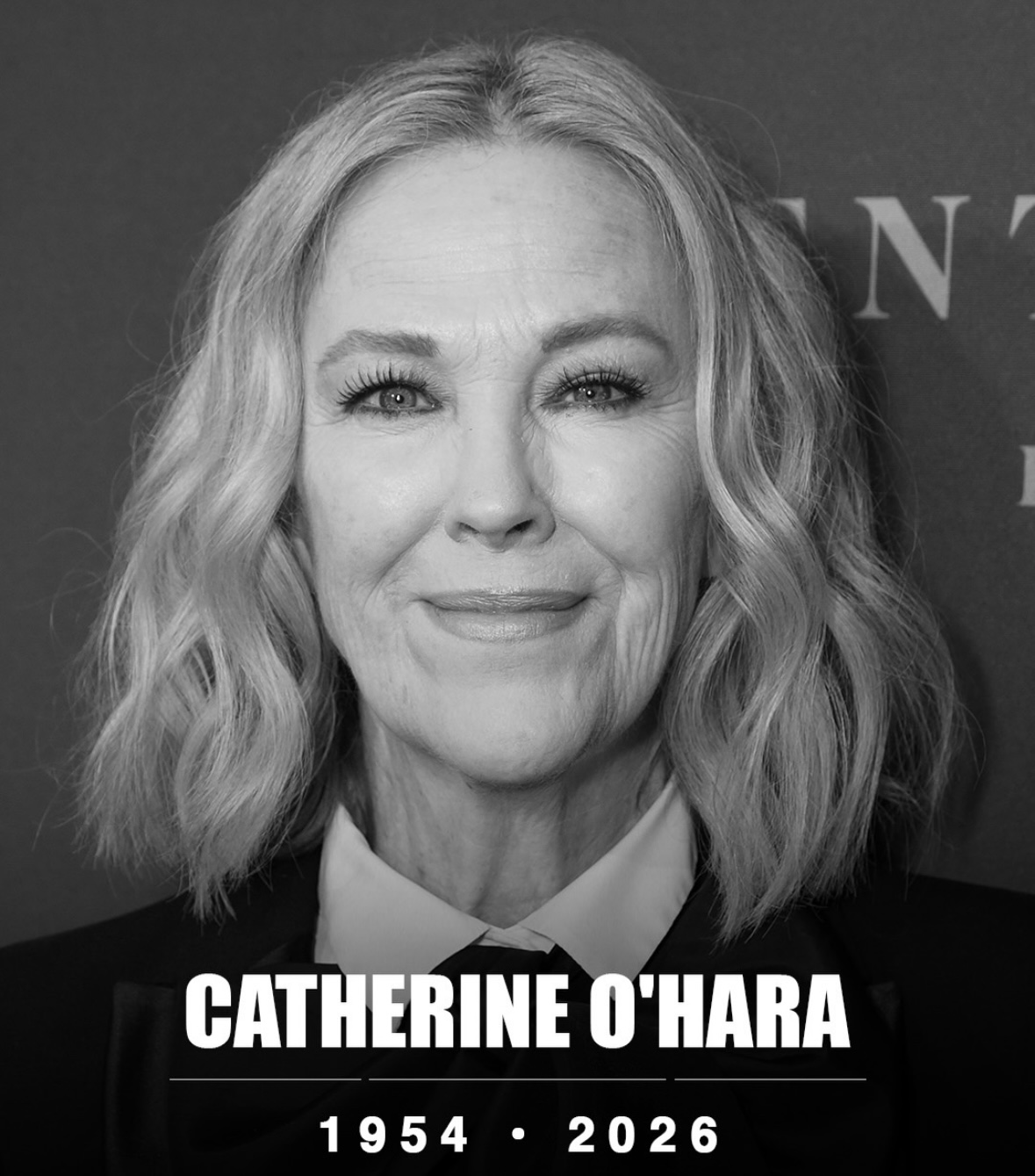
A literature nerd’s dream game

An image of the cover art of the game “Tiny Bookshop.” | Photo from @neoludic on Instagram

Jan. 21 2026 | Belen Ponce Leal | Lifestyle Editor

I love cozy games. Cozy games are known for being the types of games that are designed to be relaxing and non-combative. They are designed to be brightly colored with activities that range from organization to puzzle solving to decoration. Some can have combat, though it is typically simplistic. However, I believe that the main purpose of this genre is falling in love with the game’s world, having the player express themselves in their own unique way with customization and learning about the colorful characters these games have to offer. Games such as “Animal Crossing,” “Stardew Valley,” “Slime Rancher” and “Unpacking” are all very well known for being enjoyable, cozy games. 

One game that deserves much more attention is a little game called “Tiny Bookshop.” Released in 2025 and developed by Neoludic Games, “Tiny Bookshop” is a game where the player leaves their old life behind to move to a coastal town known as Bookstonbury to run a traveling second-hand bookshop. After playing the demo and quickly falling in love with the game, I bought the full version and spent most of winter break playing through the game, even completing the main story. 

Gameplay The game consists of the player moving around various locations to sell books. The player will start out with only one shelf that holds a certain number of books, and it is their job to stock the shelves. The books are color-coded, with each color being a different genre. Different locations will prioritize different types of literature, so it’s important to keep that in mind. Once on location, the player opens the shop, and customers will come inside to browse the selection. When recommendation requests pop up, the player gets the opportunity to look at the books stocked on the shelf. Each book will have the title, author and a brief description of the story. The customer will tell the player what kind of book they are looking for, and it’s the player’s job to find the closest book possible to that description. If successful, more customers will come in and buy more of the stock. If the interaction fails, nothing really happens aside from the customer leaving immediately. 

Customization For anyone who really enjoys customization, “Tiny Bookshop” has incredible options for making the bookshop ideal for each player. The shop is able to be painted in various colors from the start, with more available for purchase later on in the game. Some of the decorations that are bought can also be painted in custom colors, such as the bookshelves. There are many different types of furniture available to buy with the in-game currency the player receives from selling books. Certain items can be gained from the characters in the town as they are befriended, with most of the items having boosts for certain genres of books, as well as some types of customers. For example, during the fish market, the player will receive a major boost in sailor customers if their shop is decorated with beach or sea decor. If it isn’t, the customers will avoid the bookshop due to the player’s “lack of taste.” There is also a coffee machine that increases the number of customers on rainy days. It also generates more revenue, so I strongly recommend getting it. 

Lovable characters The first character we meet is Tilde, who is the retired bookshop owner of Bookstonbury. She teaches the player the ropes of running the shop at the beginning of the game and is very well known throughout the town as a gentle woman with a big heart. 

Shortly after meeting her, we meet Fern, who is the town journalist. They are a bit shy and awkward around the player, but they quickly warm up and even ask for their help at times. 

Walt is next, known as the town’s retired sailor who is generally more reserved but kind. He’s incredibly antagonistic toward the cruise ship that will occasionally visit the town. Once the player’s friendship increases with him, he will be able to invite them to the fishing market that happens on certain days of the month. 

Maryam is next and, quite honestly, I didn’t like her as much at first. She’s the owner of a cafe and a very straightforward, no-nonsense character who will voice her opinion in a rather blunt way. However, as the player gets to know her and sees the relationship she has with Tilde, there is a soft spot to her harsh exterior. 

Moira is Maryam’s niece. She’s a very nonchalant character who, similar to her aunt, is a bit stubborn. She and her aunt can fight at times, but both of them think very highly of the other. She’s a goth queen who is into the supernatural and enjoys a good horror book. She also has a rock band where she plays guitar. 

Harper is a child who comes frequently to the bookshop. She is a very smart kid and incredibly persuasive. This child was capable of convincing other children to construct a massive sand castle on the beach that was multi-leveled and needed a construction crew, while having the player fund it all. Harper has quite the leadership skills. 

Klaus is a character who works at the Méga Marché, which is basically this town’s version of a cheap supermarket. He is also part of Moira’s band, playing guitar and being a singer, as well as Harper’s uncle. 

Anne is a university student who enjoys plants and will often sell them at the flea market. She is immediately very sweet toward the player and gives them a lot of plants. Anne enjoys romance and fantasy while completely hating nonfiction books, so I like to think she is basically me. 

Overall, “Tiny Bookshop” has had me in a chokehold since I bought it. With its engaging gameplay, expansive customization and compelling characters, there was so much that made me want to keep coming back to play it so many times. The artstyle is also very appealing, giving a sort of cartoon comic vibe while the music is relaxing. I strongly recommend this game to anyone who considers themselves a connoisseur of cozy games. It’s available on Steam and on the Nintendo Switch. 

Contact the author at howllifestyle@mail.wou.edu

Auto Draft

A still from the 2012 Nickelodeon “Teenage Mutant
Ninja Turtles” reboot. | Photo from @tmnt on Instagram

Jan. 21 2026 | Jaylin Emond-Hardin | Entertainment Editor

I always say that almost everyone, at some point, watched a cartoon about a color-coded group of kids or teenagers saving the world. Don’t believe me? Well, I could sit here for days and list all the shows that have color-coded groups, but then that would take up my whole article — it’s a lot.
However, I specifically want to talk about three shows that had a certain level of popularity in the 2010s: “Teenage Mutant Ninja Turtles,” “Lego Ninjago: Masters of Spinjitzu” and “Power Rangers.” A wild combination, I know, but bear with me.
So, why these shows? Well, they all have a similar premise — a color-coded group of teenage ninjas have special abilities and are the only ones who can save the world. While “Teenage Mutant Ninja Turtles” and “Power Rangers” are reboots of their respective 1989 and 1993 original series, “Lego Ninjago: Masters of Spinjitzu” was created specifically for the Lego toy line of the same name — a marketing tactic that Lego heavily utilized in the 2010s.
So why the color coding? Well, it’s a visual design element that stems from the original IDW “Teenage Mutant Ninja Turtles” comics. With each turtle looking so similar in design, artists needed a way to differentiate them so fans could tell them apart. Thus, Leonardo was associated with blue, Raphael was associated with red, Donatello was associated with purple and Michelangelo with orange, creating a visual element that other artists began to use.
By the time “Mighty Morphin’ Power Rangers” hit American airwaves in 1993, the show also had different colored characters to show who was who, with one major difference from its predecessor: there were two female characters, and they were pink and yellow. While April O’Neil was associated with the color yellow in “Teenage Mutant Ninja Turtles,” she was a supporting character and didn’t have as much agency as the Yellow Ranger did.
When the reboots hit Nickelodeon in the 2010s, “Lego Ninjago: Masters of Spinjitzu” was hitting Cartoon Network. A major difference between this show and the other two, however, was that each ninja master was color-coded to the element he was a master of.
So what made these three shows stand out among the rest of the 2010 shows? After all, there were other shows with punchier animation and harder-hitting jokes.
My theory is that they were part of what is now called “older brother core” — the aesthetic that most members of Generation Z associate with either an older brother or male cousin. It’s characterized by a laid-back skater style that blends grunge, emo and nu-metal all into one, and is especially associated with the “Call of Duty” video game franchise, Monster Energy drinks and Adult Swim shows. In fact, when I look at a list of media associated with older brother core, “Teenage Mutant Ninja Turtles,” “Power Rangers” and “Lego Ninjago: Masters of Spinjitzu” are on the list.
The 2010s were heavily influenced by this aesthetic — especially when Disney Channel launched Disney XD, which I thought was just Disney for people who skate when I was growing up. The 1980s were similar in this aspect. Skater culture was taking the forefront, and music was beginning to become more experimental — especially with bands like The Ramones and The Descendants making way for the grunge and pop-punk era of the 1990s. The 2010s mirror this as trends recycle and come back into focus. After all, I’ve been seeing a lot of 90s and early 2000s styles come back into popularity.
“Teenage Mutant Ninja Turtles” is available for streaming on Paramount+, “Lego Ninjago: Masters of Spinjitzu” and “Power Rangers” are streaming on Netflix and Amazon Prime respectively and “The Lego Ninjago Movie” is streaming on HBO Max.

Contact the author at howlentertainment@wou.edu